
Back to all articlesemergency-dentistry Dr. Muhammad Rahim, DMDOctober 12, 20269 min read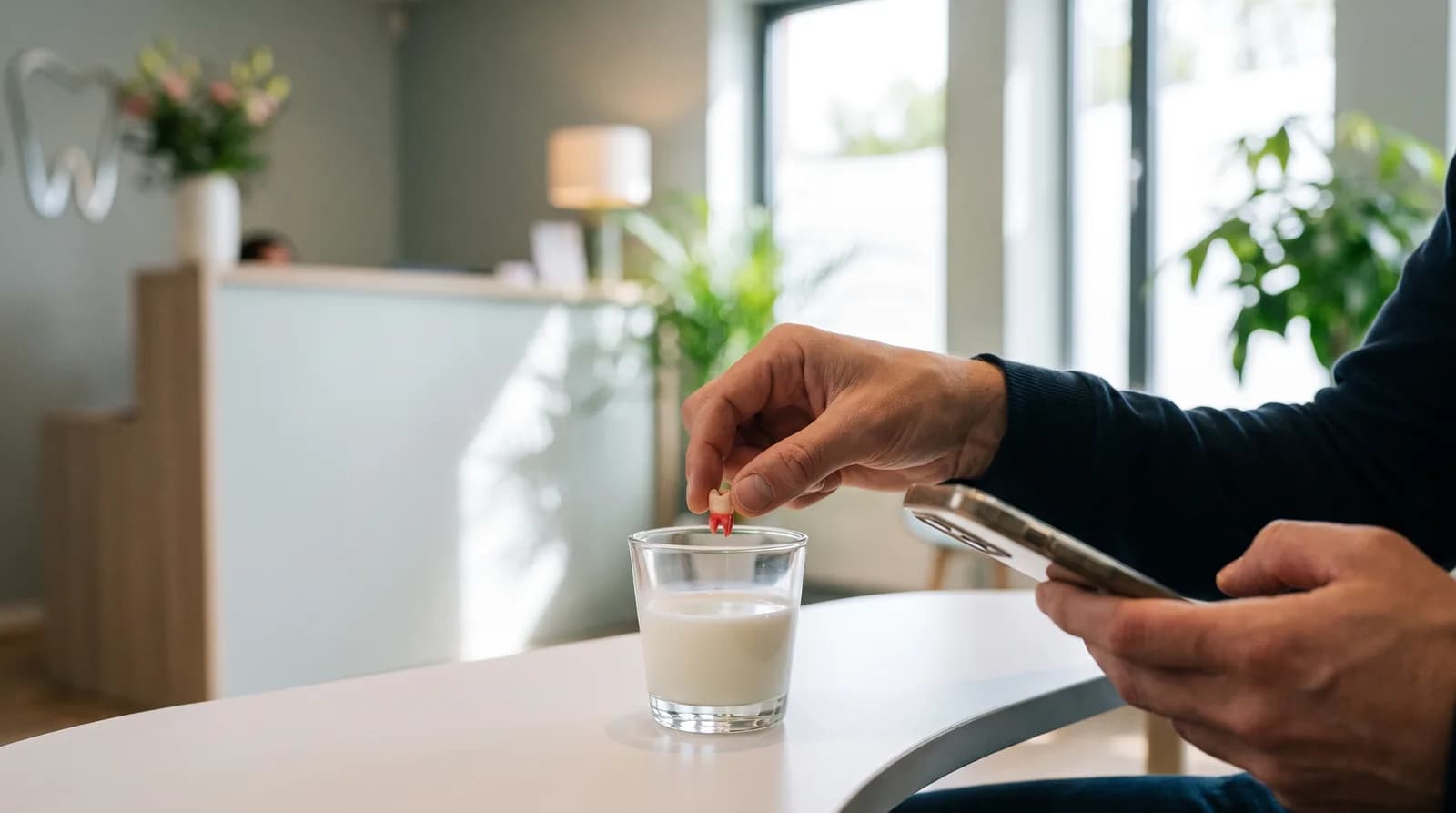
Knocked Out Tooth: What to Do in the First 30 Minutes
Dr. Muhammad Rahim, DMDOctober 12, 20269 min read
Loading blog post
Dr. Muhammad Rahim, DMDOctober 12, 20269 min readCall and you'll reach a real person on our team: no phone tree, no hold music. We'd genuinely love to help.
(603) 924-3664Rather write to us? Contact us
If a permanent tooth has just been knocked out, here's the short version of what to do: pick it up by the crown, keep it moist, and call Peterborough Family Dental right away at (603) 924-3664. This guide covers each step for a knocked out tooth, what to do first, and why speed matters so much.
Time is the biggest factor in whether a knocked out tooth can be saved. The best window is the first 30 minutes after the injury. Everything else in this guide matters, but nothing matters as much as getting to the office fast.
Dr. Muhammad Rahim, DMD, treats knocked-out teeth as urgent same-day cases. Trauma care is one of the dental services the practice handles every week, and the team will make every effort to see you immediately.
30 minutes
An adult tooth can often be saved if it's reimplanted within this window
Source: American Dental Association
Call Peterborough Family Dental immediately so the team is prepared and ready when you arrive. Have someone else drive while you focus on the tooth. The team will advise on tooth handling during transport and will be ready for you the moment you get there.
If you can't reach the office, or the same accident caused heavy bleeding, facial swelling, or other injuries, go to the emergency room. Losing a tooth on its own is a dental emergency. Combined with head or facial trauma, it becomes a medical emergency too.
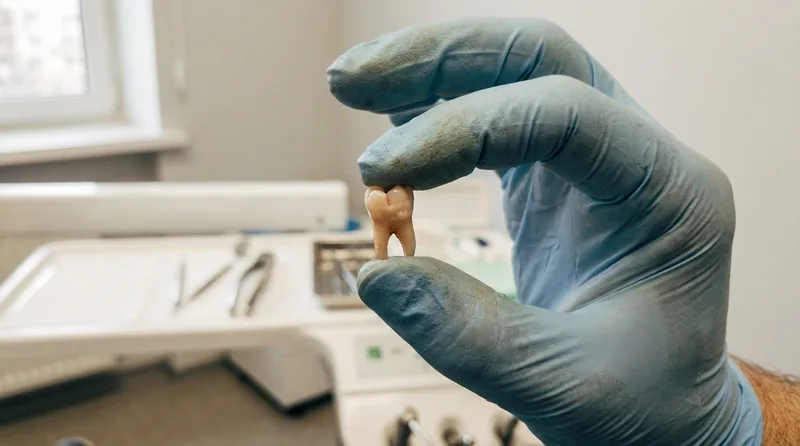
How you handle the tooth in the minutes after it is knocked out directly affects whether it can be reimplanted successfully. The root surface of the tooth contains periodontal ligament cells that must remain alive for the bone to fuse back around the tooth, and those cells are fragile.
The correct way to handle the tooth:
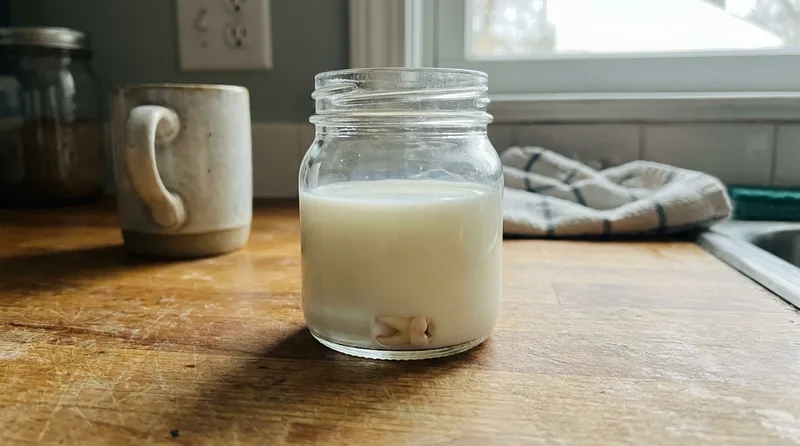
Keeping the tooth moist during the drive to the dental office preserves the periodontal ligament cells on the root surface. There is a clear order of preference for storage options, with each option below used only when the one above it is not possible.
Storage options in order of preference:
The ADA's guide to dental emergencies recommends the same approach: keep the tooth moist, put it back in the socket if you can, and get to a dentist right away.
The sooner the tooth goes back in, the better its chances. According to the ADA, the tooth can often be saved if it's reimplanted within 30 minutes. How the tooth was stored matters almost as much, because a dry root loses the cells it needs to reattach.
Time and storage work together. A tooth kept in milk or held in the mouth during a 45-minute drive has a better outlook than one that dried for 20 minutes first. A shorter time with imperfect storage still beats a longer time with good storage, so never delay leaving to find the perfect container.
A tooth that's been dry and out of the socket for more than an hour has a poor long-term outlook, even if it's put back. In that case, the dentist will talk through replacement options such as a dental implant. Calling and coming in right away is still always the right move, because the dentist makes that call.
| Time Out of the Socket | Reimplantation Outlook | What to Do |
|---|---|---|
| Under 30 minutes | Best chance of success | Keep moist, call and drive straight in |
| 30 to 60 minutes | Success rate begins dropping | Keep in milk or saliva, call ahead |
| Over 60 minutes, kept dry | Poor | Still bring the tooth in for assessment |
| Over 60 minutes, kept moist | Reduced but not zero | Bring the tooth, do not scrub it |
Baby teeth that are knocked out are handled differently from permanent teeth. Reimplantation of a primary tooth is generally not recommended because the reimplanted tooth can damage the permanent tooth developing in the bone directly beneath it. If a baby tooth is knocked out, call the dental office for guidance, but do not attempt to replace it in the socket.
The urgency for a knocked-out baby tooth is lower than for a permanent tooth, but a dental evaluation is still appropriate to assess whether the injury has affected the underlying permanent tooth bud, whether there are bone or soft tissue injuries at the site, and whether a space maintainer may be needed to preserve space for the permanent tooth that will eventually erupt. The timing guidelines above apply specifically to permanent teeth only.
Related: Did a baby tooth come out too early? This guide explains when a space maintainer is needed. Space maintainers for kids →
A tooth that's been loosened or pushed out of place by an injury, but not fully knocked out, is called a luxated tooth. Call the office for same-day evaluation, but don't try to reposition it yourself. Pushing it the wrong way can damage the root and the bone around it.
If a tooth is pushed up into the gum, tipped to the side, or partly out of the socket, describe what you see when you call. Repositioning is a clinical step that depends on the direction and degree of the shift, so it's best left to the dentist.
⚠ Don't do these at the scene
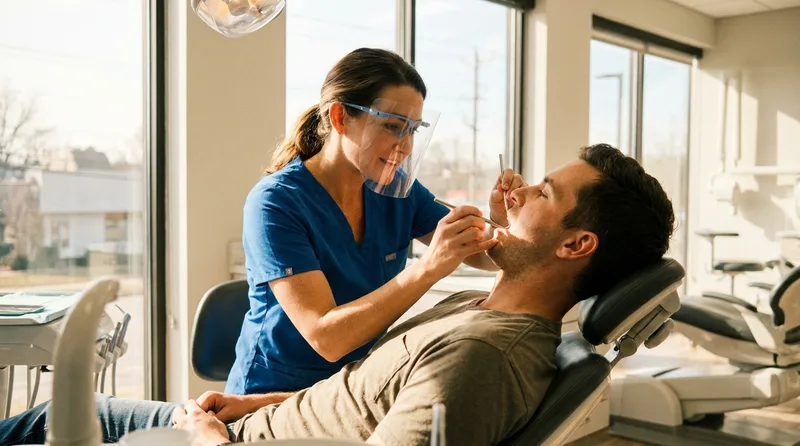
At Peterborough Family Dental, Dr. Rahim will assess whether the tooth is viable for reimplantation, clean and reposition it if so, and stabilize it with a flexible splint. Root canal treatment at a follow-up visit is a standard part of the process.
Dr. Rahim examines the tooth, the socket, and the surrounding bone and gum. If the tooth can be saved, the socket is rinsed, the tooth is repositioned, and a flexible splint attached to the neighboring teeth holds it while it reattaches.
A root canal usually follows at a later visit, because the nerve inside a reimplanted adult tooth rarely survives. That's a normal part of the process, not a sign anything went wrong. If you're nervous about that step, this guide on what a root canal really feels like may help.
Even when reimplantation is not possible due to the condition of the tooth or the elapsed time, the dental visit is still valuable. Dr. Rahim can evaluate the bone at the site, discuss tooth replacement options, and ensure that no other injuries are present that need attention.
Expect a few follow-up visits. The splint usually stays on for a couple of weeks, and the dentist will check the tooth with x-rays over the following months to make sure the root is healing and the bone is holding it firmly. Keeping those appointments is how small problems get caught early. Regular dental visits catch roughly 80% of oral health issues before they become serious, according to the ADA.
A knocked-out tooth alone is a dental emergency managed at a dental office. Go to the emergency room if the injury involved head trauma, loss of consciousness, jaw fracture, or significant uncontrolled bleeding. When unsure, call the office first and the team will advise within minutes.
In those situations, medical care comes first and the dental visit follows. If you're unsure, call the office. The team can tell you in a couple of minutes whether to come straight in or go to the hospital first.
Prevention: the best fix is a mouthguard
Many knocked-out teeth happen during sports, which account for up to about 33% of all mouth and face injuries, according to a 2019 review in Sports Medicine. A properly fitted mouthguard is the simplest protection, and the ADA's mouthguard guide recommends one for any contact or collision sport.
Related: Choosing a mouthguard for a young athlete? Here's how custom and boil-and-bite guards compare. Custom vs boil-and-bite mouthguards →
Keep reading
Results may vary. Please consult with your dentist at Peterborough Family Dental for personalized treatment recommendations.
Tooth knocked out? Call now.
Peterborough Family Dental sees dental trauma emergencies the same day. Every minute matters, so call (603) 924-3664 right away.
Call (603) 924-3664 →
Dr. Muhammad Rahim, DMD
Dentist · Peterborough Family Dental & Implant Center
Peterborough, NH dentist providing gentle general, cosmetic, restorative, and implant dentistry for the whole family.
Was this article helpful?
Call Peterborough Family Dental immediately at (603) 924-3664. Pick the tooth up by the crown, never the root, and rinse it briefly if it is dirty. Try to place it back in the socket. If that is not possible, keep it moist in milk or saliva and drive straight to the office.
Our Peterborough team is happy to answer questions and get you on the calendar.


