

Close the Gap. Restore Your Smile
A missing tooth affects how you eat, speak, and feel about your smile. A dental bridge fills that space permanently with a natural-looking restoration that stays in place and lasts for years.

Covered by Most Dental Insurance
We verify your benefits before your visit
Free Bridge Consultation
No cost, no obligation to proceed
Natural-Looking Results
Shade-matched to your surrounding teeth
How can we help you?
Tell us what is happening, and we will show you the right path forward.
Understanding Dental Bridges
What a bridge is, and why the gap matters
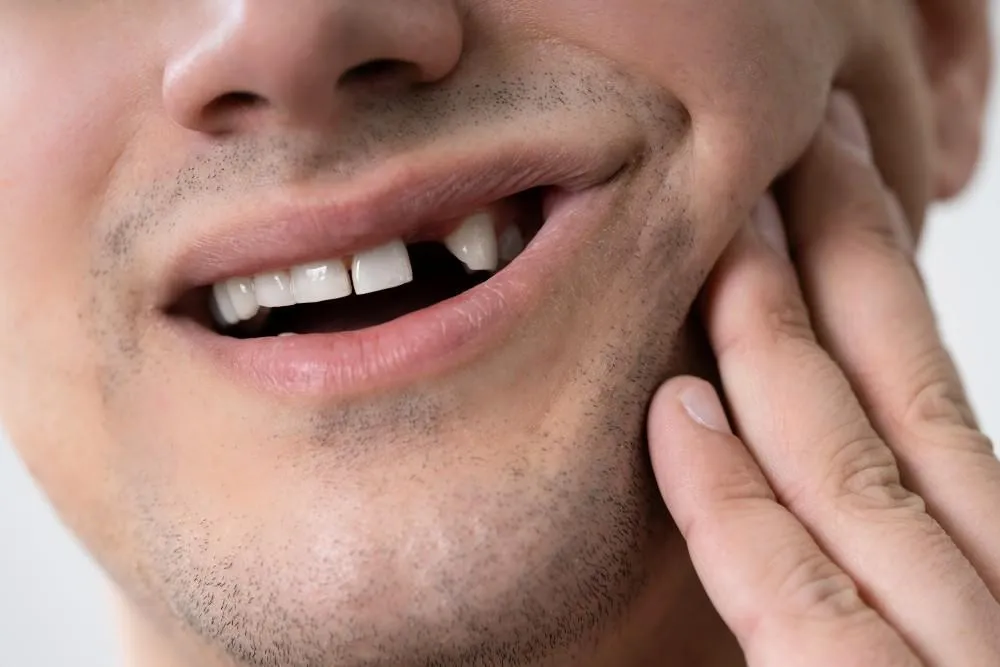
A dental bridge is a fixed restoration that fills the space left by a missing tooth. It consists of one or more artificial teeth anchored to the natural teeth on either side of the gap, or to a dental implant. Once in place, it looks, feels, and functions like your original tooth.
Leaving a gap untreated causes more problems over time. The teeth on either side tend to shift toward the space, the opposing tooth can over-erupt, and the jawbone beneath the gap gradually loses density. A bridge stops all of that from happening and restores normal chewing right away.
Modern bridges are made from porcelain or zirconia, shade-matched to your other teeth, so most people cannot tell which tooth is a replacement.
A few things worth knowing
Is a Bridge Right for You?
Bridge or implant? Here is how to think about it
The right choice depends on the condition of the teeth around the gap, your bone health, and your priorities. Here is a clear way to think about it before your consultation.
A bridge may be right if…
- You are missing one or more teeth in a row
- The teeth on either side of the gap are healthy and strong
- You want something fixed in place, not removable
- You are not a candidate for a dental implant right now
- Your gap is affecting how you chew or speak
- Your existing partial denture is uncomfortable or loose
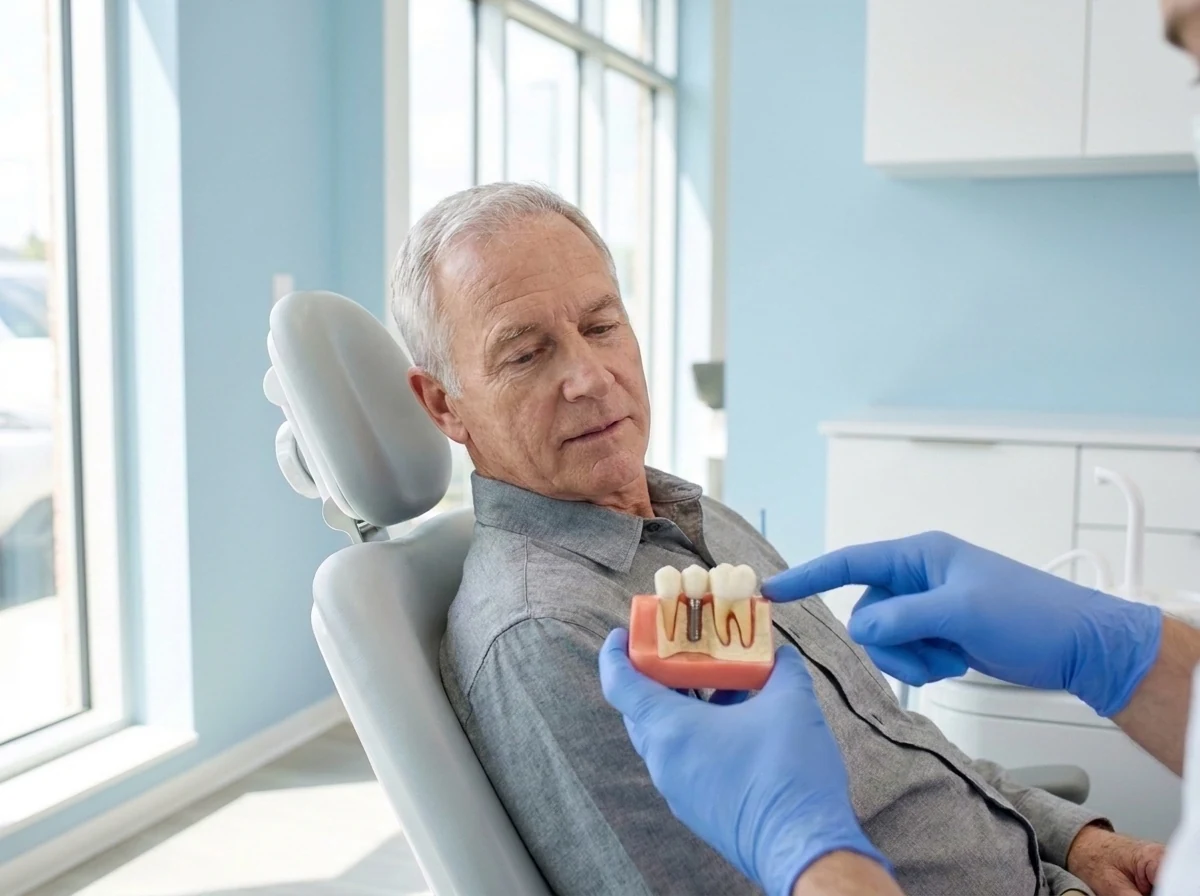
An implant may be better if…
- You prefer not to alter the adjacent teeth
- The supporting teeth are already weakened or compromised
- You have sufficient bone for an implant
- You want a longer-term fix for a single tooth
Not sure which is right for you? A quick exam at your free consultation gives you a clear recommendation and a written quote for both options.
Book your free consultationBridge Types
Three ways to close a gap. One that fits your situation
The right bridge depends on which teeth surround the gap, the health of your bone, and what matters most to you. We walk you through the trade-offs plainly at your consultation.
Durable and fully fixed
Traditional Porcelain Bridge
A traditional bridge crowns the two teeth on either side of the gap and suspends an artificial tooth between them. It is the most widely used bridge design, covered by most dental insurance plans, and can be completed in two appointments.
- Fixed permanently, no removal required
- Covered by most dental insurance plans
- Porcelain or zirconia, matched to your shade
Strongest long-term option
Implant-Supported Bridge
Instead of relying on adjacent teeth, an implant-supported bridge is anchored to one or more titanium implants placed in the jaw. It preserves the bone beneath the gap and does not require altering any natural teeth.
- No alteration to adjacent natural teeth
- Preserves jawbone density long term
- Built to last with proper care
Minimal prep for front teeth
Maryland Bonded Bridge
A Maryland bridge uses metal or porcelain wings bonded to the back of the teeth on either side of the gap, with no crowning required. It is suited to front-tooth gaps where the supporting teeth are healthy and minimal prep is preferred.
- No crowning of adjacent teeth
- Good option for single front-tooth gaps
- Less tooth structure removed
Why a Bridge Works
Six reasons patients are glad they chose a bridge
Restores comfortable chewing right away
A missing tooth shifts chewing load to the other side, straining those teeth over time. A bridge balances your bite so you can chew evenly and without discomfort.
Stops adjacent teeth from shifting
Teeth on either side of a gap gradually drift into the open space. A bridge holds them in position, protecting your overall bite alignment.
Natural appearance, matched to your teeth
Porcelain and zirconia bridges are shade-matched to the color of your natural teeth. Most people cannot tell which tooth is a restoration.
Fixed in place, nothing to remove
Unlike a partial denture, a bridge is cemented permanently. You brush and floss as normal. There is nothing to take out at night or before meals.
Covered by most dental insurance plans
Dental insurance typically covers a portion of bridge costs, particularly when a missing tooth is affecting function. We check your specific coverage before your appointment.
Completed in just two appointments
At the first visit we prepare the anchor teeth, take impressions, and fit a temporary. At the second we cement your permanent bridge. Most patients are done in under two weeks.
The Process
From gap to bridge in two appointments
Most traditional bridges require just two in-office visits over one to two weeks. Here is exactly what happens at each step.
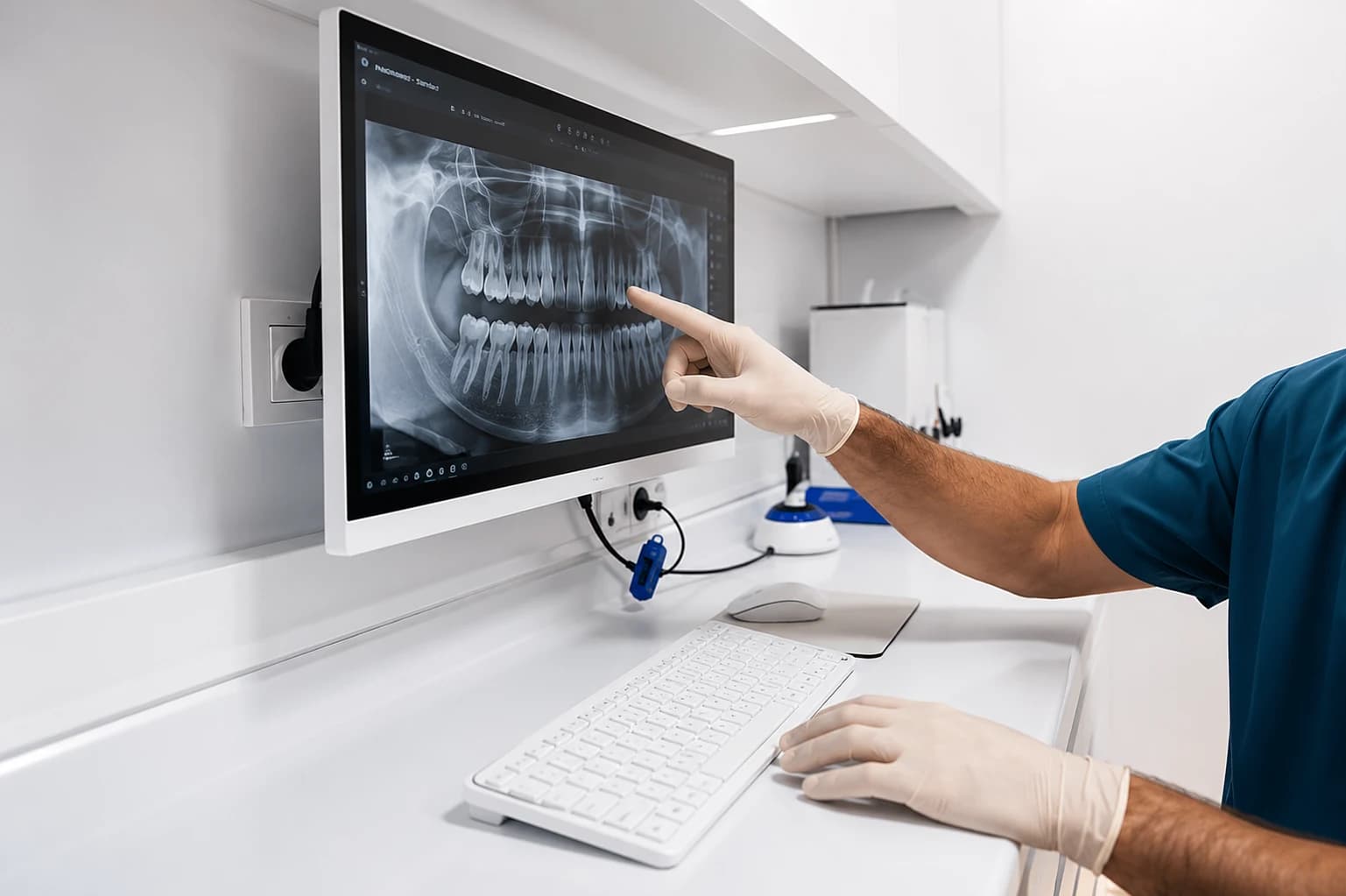
Free Consultation and X-rays
We examine the gap, the teeth on either side, and the surrounding bite. Digital X-rays show us the bone and root health of the anchor teeth. At the end of this visit you know exactly which bridge type suits you, what it costs, and what your insurance covers.
- 30 to 45 minutes
- A clear picture and a written quote
Cost & Insurance
Insurance and payment options, made straightforward
Most dental insurance plans cover a portion of bridge costs when the bridge is needed to restore a missing tooth that affects function. Coverage varies by plan, so we verify your benefits in writing before any treatment begins.
If you have no insurance or a balance after coverage, CareCredit and other flexible payment plans are available. We walk through all the options at your free consultation before you decide anything.
Your free consultation includes
A full exam and recommendation, your insurance verified, and a clear written quote. At no cost and with no pressure to proceed.
- Most dental insurance covers a portion of bridge costs
- CareCredit financing available
- Transparent written quote before any treatment begins
We Verify Your Coverage Before You Commit
We check your dental plan details before your appointment and tell you in writing exactly what is covered. No surprises at the desk after treatment.
We Handle the Insurance Paperwork
We submit claims on your behalf and follow up with your carrier. You focus on your recovery, not paperwork.
CareCredit for Any Out-of-Pocket Balance
If your insurance covers only part of the cost, CareCredit and other flexible payment plans let you spread the balance into manageable monthly payments.
Your questions, answered
Plain answers from our Peterborough team: no jargon, no pressure.
- New patients welcome
- Most insurance accepted
- CareCredit financing available
With regular brushing, flossing, and checkups, most bridges last 10 to 20 years or longer. The anchor teeth and the health of the bone underneath influence longevity more than any other factor. We clean under the bridge thoroughly at every hygiene visit to prevent decay at the margins.
Still have questions?
Call and you'll reach a real person on our team: no phone tree, no hold music. We'd genuinely love to help.
(603) 924-3664Rather write to us? Contact us
Bridge Consultation
Come in and let us take a look at the gap. We will walk you through which type of bridge suits your situation, verify your insurance coverage, and hand you a clear written quote before you commit to anything. No cost, no pressure.
- New patients welcome
- Most insurance accepted