

Save Your Tooth. Stop the Pain
A modern root canal removes the infection, stops the pain, and saves your natural tooth. Most patients say it felt no different from getting a filling.

Gentle, Modern Approach
Most patients say it felt like a filling
Free Consultation
Exam, X-rays, and treatment plan
Most Insurance Accepted
Root canals are typically covered
How can we help you?
Tell us what is happening, and we will get you out of pain as quickly as possible.
Understanding Root Canals
What a root canal actually is, and why it is nothing to fear
Inside every tooth is a soft tissue called the pulp, which contains nerves and blood vessels. When bacteria reach the pulp through deep decay, a crack, or an injury, the pulp becomes infected. That infection is what causes the throbbing pain.
A root canal removes the infected pulp, cleans and shapes the inside of the tooth, fills it with a biocompatible material, and seals it. A crown is then placed on top to protect and strengthen the tooth. The result is a pain-free, fully functional tooth that can last for many more years.
Modern root canals use precise instruments and effective anesthesia. Most patients tell us it felt no different from getting a regular filling.
Key facts
Signs You May Need a Root Canal
Listen to what your tooth is telling you
These symptoms do not always mean a root canal is needed, but they are worth checking. The sooner an infection is caught, the simpler and more affordable the treatment.
Common signs of an infected tooth
- A toothache that throbs or keeps you awake at night
- Sensitivity to hot or cold that lingers after the source is removed
- Swollen, tender gums near a specific tooth
- A tooth that has darkened or turned gray
- Pain when biting or pressing on the tooth
What happens if you wait
- The infection can spread to the jawbone and surrounding teeth
- An abscess (a pocket of pus) can form at the root tip
- The tooth may become too damaged to save, requiring extraction
- Treatment becomes more complex and more expensive the longer you wait
- The infection can enter your bloodstream in rare cases
Why Save the Tooth
Six reasons a root canal beats extraction
Saves your natural tooth
A root canal removes the infection but keeps the tooth in place. Your natural tooth, with its root and bone support, is almost always better than any replacement.
Stops the pain at its source
The infected pulp is what causes the throbbing pain. Removing it eliminates the source immediately. Most patients feel relief by the next day.
Prevents the infection from spreading
Left untreated, a tooth infection can spread to the jawbone, other teeth, and in rare cases, other parts of the body. A root canal stops it in its tracks.
Protects neighboring teeth
An infected tooth puts the teeth around it at risk. Treating the infection protects the health of the entire area.
Quick recovery
Most patients return to normal activities the same day or the next. Any tenderness typically resolves within a few days with over-the-counter pain relief.
Long-lasting results
A root-canalled tooth with a well-fitted crown can last the rest of your life. Regular brushing, flossing, and checkups are all it takes.
Root Canal vs. Alternatives
How saving the tooth compares to replacing it
When a tooth can be saved with a root canal, it is almost always the best first choice. It is faster, less invasive, and more affordable than extraction followed by replacement. Extraction is the right call only when the tooth is truly beyond repair.
The Process
What happens during a root canal
Here is exactly what to expect at Peterborough Family Dental, step by step.
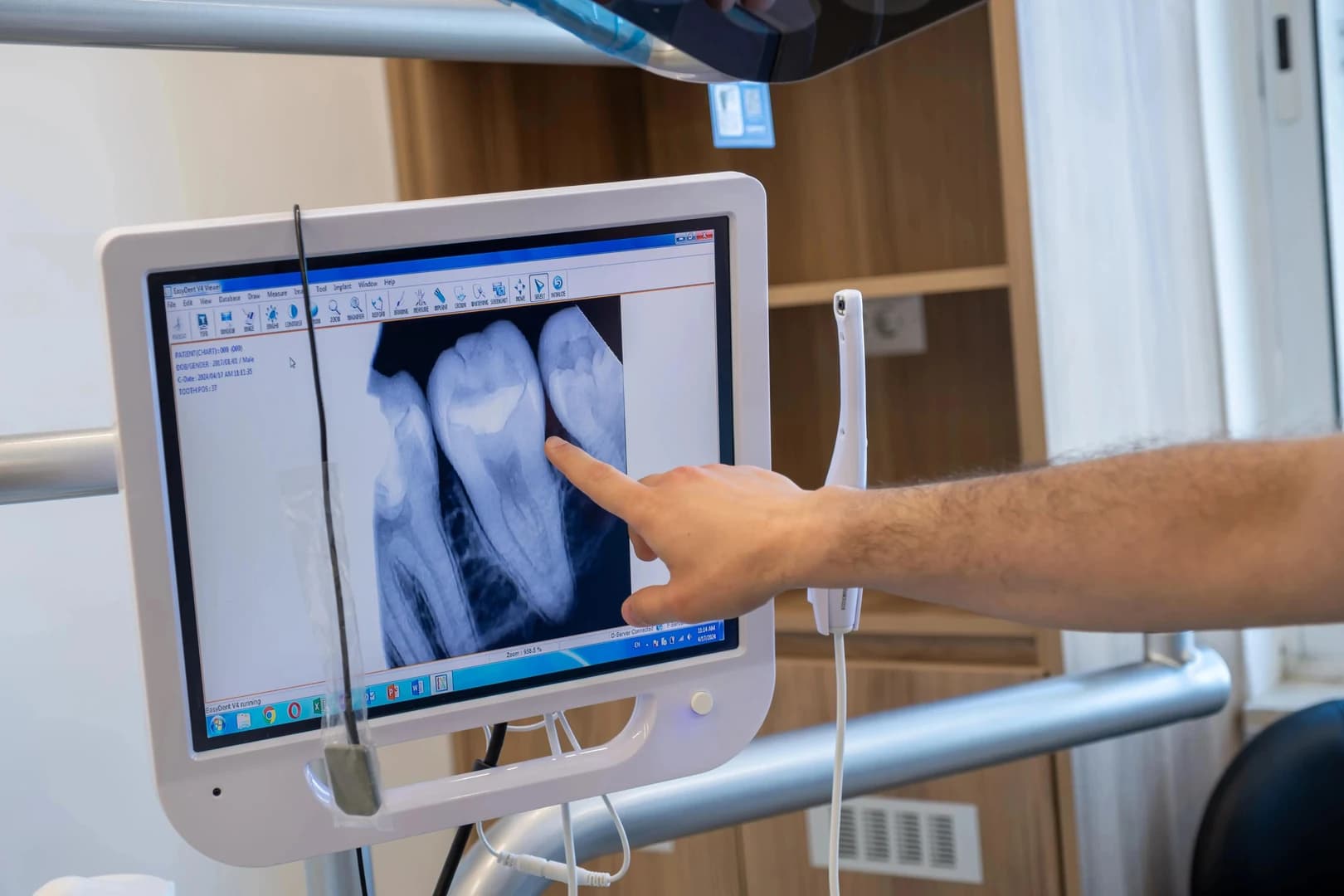
Diagnosis and X-rays
We take X-rays to see the shape of the root canals and the extent of the infection. You will know exactly what is happening, what the procedure involves, and what it will cost before we begin.
- Clear picture of the infection
- Treatment plan agreed
Cost & Insurance
Root canals are one of the most commonly covered procedures
Most dental insurance plans cover a significant portion of root canal treatment because it is classified as a necessary restorative procedure. The crown that follows is also typically covered, though at a different percentage depending on your plan.
We verify your benefits before your appointment and give you the numbers in writing. For any balance, CareCredit and other flexible payment options are available.
Your free consultation includes
Exam, X-rays, diagnosis, treatment plan, insurance verification, and written quote. All at no cost.
- Most dental insurance covers root canal treatment
- CareCredit for any out-of-pocket balance
- Written quote before treatment begins
We Verify Your Benefits First
We check your insurance and give you the numbers in writing before treatment begins.
CareCredit Financing Available
Spread costs over monthly payments that fit your budget.
Clear Quotes, No Surprises
Every cost is itemized in writing before you commit.
Your questions, answered
Plain answers from our Peterborough team: no jargon, no pressure.
- New patients welcome
- Most insurance accepted
- CareCredit financing available
Modern root canals are performed under thorough local anesthesia, so you feel pressure but not pain during the procedure. Most patients tell us it felt no different from getting a filling. Any tenderness afterwards is typically mild and managed with over-the-counter pain relief.
Still have questions?
Call and you'll reach a real person on our team: no phone tree, no hold music. We'd genuinely love to help.
(603) 924-3664Rather write to us? Contact us
Root Canal Consultation
If you are in pain or have been told you need a root canal, come in and talk with us. We will take an X-ray, explain exactly what is happening, and give you a clear plan. No cost, no pressure, and we can often start treatment the same day if you are ready.
- New patients welcome
- Most insurance accepted