

Gentle Extractions, Only When Necessary
We use thorough numbing, gentle technique, and clear aftercare guidance so you know exactly what to expect before, during, and after. Most extractions heal fully within a week. Most insurance plans cover a portion of the cost.

Gentle, thorough numbing
Comfort is our priority
Most healed in 3 to 7 days
Clear aftercare instructions
Covered by most insurance
Benefits verified in writing
How can we help you?
Tell us where you are, and we will walk you through exactly what to expect.
What to Expect
A tooth extraction is straightforward when done by the right team
Sometimes keeping a tooth creates more harm than removing it: severe decay, infection, crowding, or an impacted wisdom tooth can each make extraction the right choice. Here is what the procedure involves and why it is nothing to fear.
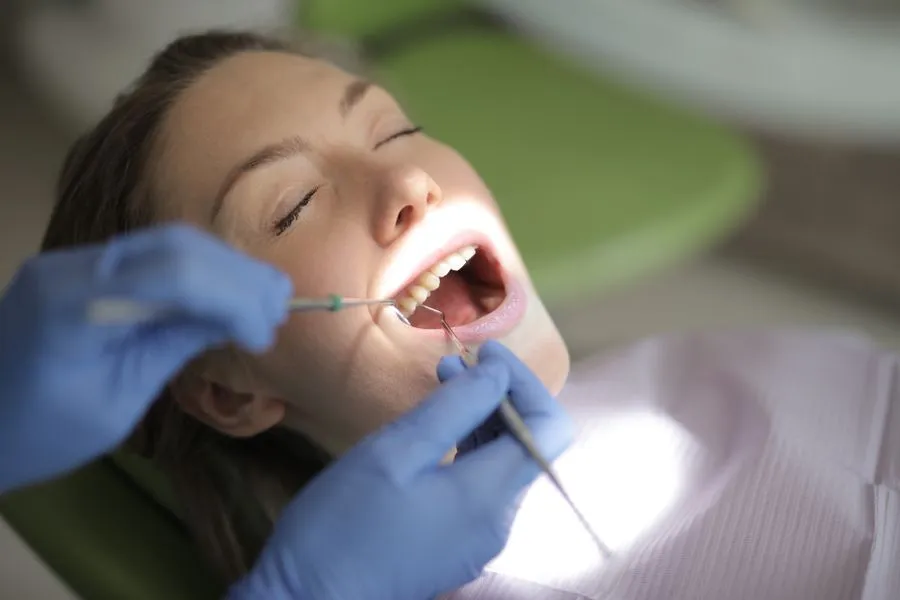
A tooth extraction removes a tooth from its socket in the jawbone. Before any procedure begins we numb the area thoroughly with local anesthetic so you feel pressure and movement but not pain. Most patients are surprised by how comfortable the experience is.
Simple extractions involve a tooth that is fully visible above the gumline. The dentist loosens the tooth with an instrument called an elevator, then lifts it free with forceps. The whole process often takes 10 to 20 minutes once you are numb.
Surgical extractions are needed for impacted teeth, broken teeth at the gumline, or teeth with curved roots. These involve a small incision in the gum and sometimes removing a small amount of bone. We walk you through which type applies to your situation and what the recovery looks like before you commit.
What we do to keep you comfortable
- Topical numbing gel before the injection
- Thorough local anesthetic: you feel pressure, not pain
- Step-by-step explanation before we begin
- Written aftercare instructions to take home
At a glance
Typical healing time
Procedure duration
Most extractions
Replacement options
Bridge or implant discussed at your visit
When Is Extraction Needed?
Extraction is always a last resort. Sometimes it is the right one
We explore every option to save a tooth before recommending removal. When extraction is the right call, we tell you clearly why and what comes next.
Extraction may be needed if…
- Severe decay that has destroyed most of the tooth structure
- An infection that cannot be resolved with a root canal
- A broken tooth at or below the gumline with no restorable structure
- A wisdom tooth that is impacted or causing crowding
- A tooth that is preventing orthodontic treatment from progressing
- Gum disease that has caused significant bone loss around a tooth

Alternatives may exist if…
- The tooth has enough structure to support a crown
- The infection is confined and a root canal can clear it
- The crack does not extend below the bone level
- The tooth is causing mild discomfort that can be managed
Not sure if your tooth can be saved? Come in for a free exam. We assess every option and tell you plainly what we recommend and why.
Book your free consultationSimple vs Surgical
Two types of extraction. One calm, thorough approach
Which type you need depends on the tooth's position, how much of it is visible, and the shape of its roots. We tell you exactly which applies to your situation before your appointment.
For visible, accessible teeth
Simple Extraction
A simple extraction removes a tooth that is fully erupted above the gumline and can be loosened with an elevator instrument before being lifted free with forceps. The entire procedure typically takes 10 to 20 minutes once you are numb.
- Local anesthetic only, no surgery required
- Completed in one short appointment
- Covered by most dental insurance plans
For impacted or broken teeth
Surgical Extraction
A surgical extraction is used when a tooth is impacted, broken at the gumline, or has roots that make simple removal impractical. It involves a small incision in the gum and sometimes sectioning the tooth into pieces for easier removal.
- Used for wisdom teeth and impacted teeth
- Small incision closed with dissolving stitches
- Step-by-step recovery instructions provided
The Process
What happens from the first exam to leaving the chair
Knowing each step in advance removes anxiety. Here is exactly how your extraction appointment unfolds.

Exam and X-rays
We examine the tooth in question and take targeted X-rays to see the root shape, bone levels, and position. This tells us whether a simple or surgical extraction is needed and lets us plan exactly how to proceed. We explain everything we find and give you a written cost estimate before any work begins.
- Targeted X-rays
- Simple or surgical confirmed
- Written cost estimate
Recovery
Six things to do after your extraction for a smooth recovery
Most sockets heal comfortably within 3 to 7 days. Following these instructions protects the clot, reduces soreness, and prevents complications.
Bite on gauze for 30 to 45 minutes
Keep firm pressure on the gauze pad we place over the socket. Change it if it soaks through. The clot that forms is essential. Do not disturb it.
Avoid straws and smoking for 72 hours
Suction dislodges the blood clot and can cause dry socket, a painful complication. Straws, smoking, and spitting should be avoided for at least three days.
Eat soft foods on the other side
Yogurt, soup, mashed potatoes, and eggs are ideal for the first day or two. Avoid crunchy, hard, or very hot foods near the extraction site.
Take pain relief as directed
Over-the-counter ibuprofen or acetaminophen manages most post-extraction discomfort. Take it before the numbness fully wears off to stay ahead of any soreness.
Resume gentle brushing the next day
Brush and floss normally the day after, but avoid the extraction site itself for the first few days. Rinse gently with warm salt water after meals to keep the area clean.
Call us if something does not seem right
Worsening pain after day three, a bad taste, fever, or significant swelling can signal a complication. Call us straight away. We are here to help.
Cost & Insurance
Insurance and payment made transparent
Most dental insurance plans cover tooth extractions, with simple extractions often classified as a basic service and surgical extractions covered at a higher tier. Coverage varies by plan, so we verify your specific benefits in writing before any treatment begins.
If you have no insurance or a balance after coverage, flexible payment options are available. We walk through all the numbers at your free consultation before you decide anything.
Your free consultation includes
Full exam, X-rays, insurance verified, and a clear written cost estimate. No cost, no pressure to proceed.
- Most insurance plans cover tooth extractions
- CareCredit financing available
- Written estimate provided before any treatment
We Verify Your Benefits Before You Arrive
We check your plan details ahead of your appointment and let you know in writing what the extraction will cost after your insurance covers its portion.
We Submit the Claim for You
We handle all the insurance paperwork and follow up with your carrier. You focus on recovery. We handle the billing.
Flexible Payment for Any Balance
CareCredit and other flexible payment plans are available if you have no insurance or a balance after coverage. We go through all options before you commit.
Your questions, answered
Plain answers from our Peterborough team: no jargon, no pressure.
- New patients welcome
- Most insurance accepted
- CareCredit financing available
Not during the procedure. We numb the area thoroughly before we begin, so you feel pressure and movement but not pain. We apply topical numbing gel before the injection to make it as comfortable as possible. After the appointment, as the anesthetic wears off, you may have mild soreness for a day or two. Most patients manage it comfortably with over-the-counter pain relief.
Still have questions?
Call and you'll reach a real person on our team: no phone tree, no hold music. We'd genuinely love to help.
(603) 924-3664Rather write to us? Contact us
Already have a plan or quote? Let's take a second look, on us
Bring your plan and recent X-rays for an honest second opinion.
- Complimentary
- Price-matched
- No pressure to switch
Tooth Extraction in Peterborough
If you have a tooth causing pain, infection, or worry, come in. We will examine it, tell you clearly whether it can be saved or should be removed, and give you a written cost estimate. No pressure to decide anything on the spot.
- New patients welcome
- Most insurance accepted