

A Strong Foundation for the Teeth You're Rebuilding
Bone grafting rebuilds the jawbone so implants and restorations have something solid to hold onto. Every case is evaluated and planned here with 3D cone-beam imaging. Straightforward grafts are placed in-house alongside your implant treatment, and complex cases are coordinated with trusted oral surgeons while we manage your overall plan.
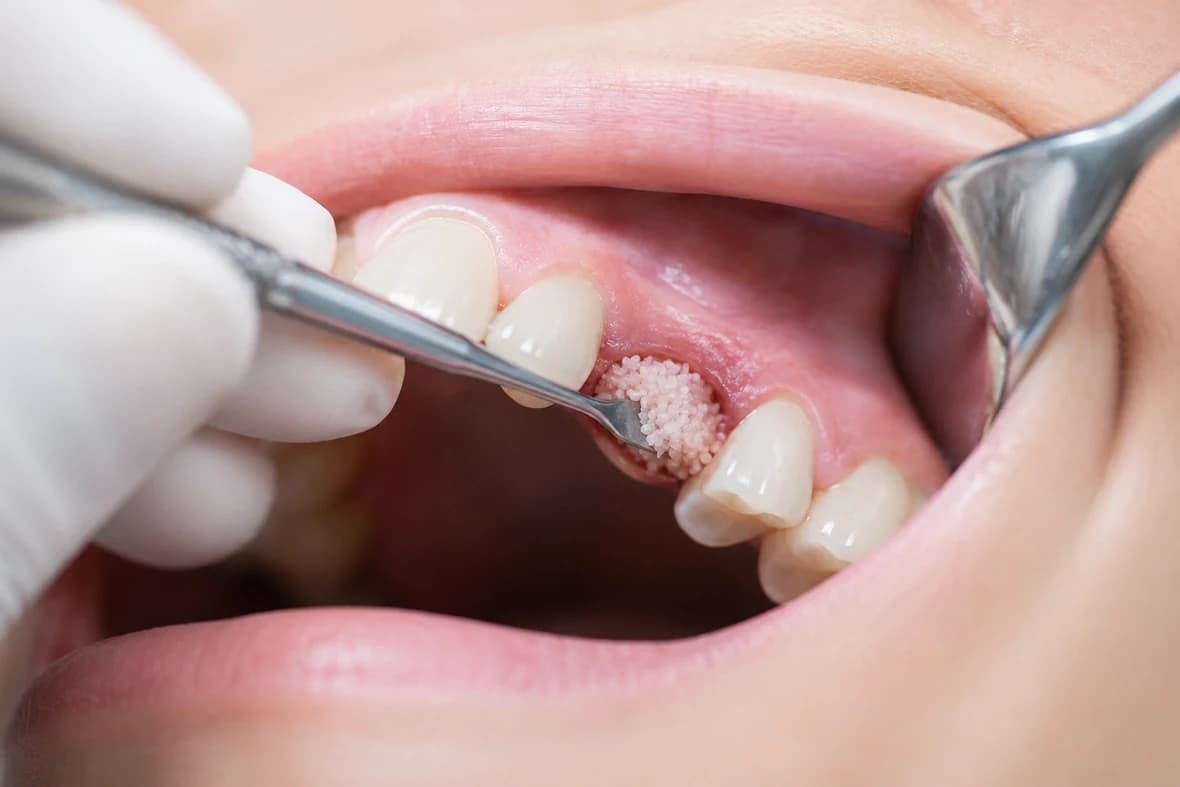
Why It Matters
Why bone grafting matters
Your jawbone stays strong because your teeth keep it working. When a tooth is lost, the bone underneath begins to shrink, quietly and quickly. Grafting either prevents that loss or rebuilds what has already gone.
Preserving your jaw after an extraction
When a tooth comes out, the bone that held it starts to shrink within months. A graft placed at the time of extraction keeps that ridge full, which protects neighboring teeth and keeps your future options open.
Preparing for dental implants
An implant needs a solid foundation of bone to anchor into. If bone has been lost to gum disease, an old extraction, or years with a denture, grafting rebuilds the site so an implant can succeed for the long term.
Supporting a natural-looking result
Bone shapes the gumline. Rebuilding lost bone helps your final crown, bridge, or denture look like it grew there instead of sitting on a sunken ridge.
Types of Grafts
The types of grafting we plan for
Not every graft is the same, and we are honest about which ones belong in our chair and which belong with a specialist. Either way, the planning, the imaging, and your final restoration all happen here.
Socket preservation
A graft placed in the socket right after an extraction. It is the simplest and most common graft we do, and it protects the site whether you choose an implant now or later.
Ridge augmentation
Rebuilds width or height in an area where bone has already shrunk, so an implant can be placed in the right position. Straightforward cases are handled here as part of your implant treatment.
Sinus lift
Upper back teeth sit close to the sinus, and replacing them sometimes requires adding bone below the sinus floor. For these and other complex grafts we coordinate with trusted oral surgeons while we plan and manage your overall treatment, so you are never navigating it alone.
The Process
What the process looks like
From the first scan to a site that is ready for your implant, every step is planned, explained, and paced around your healing.
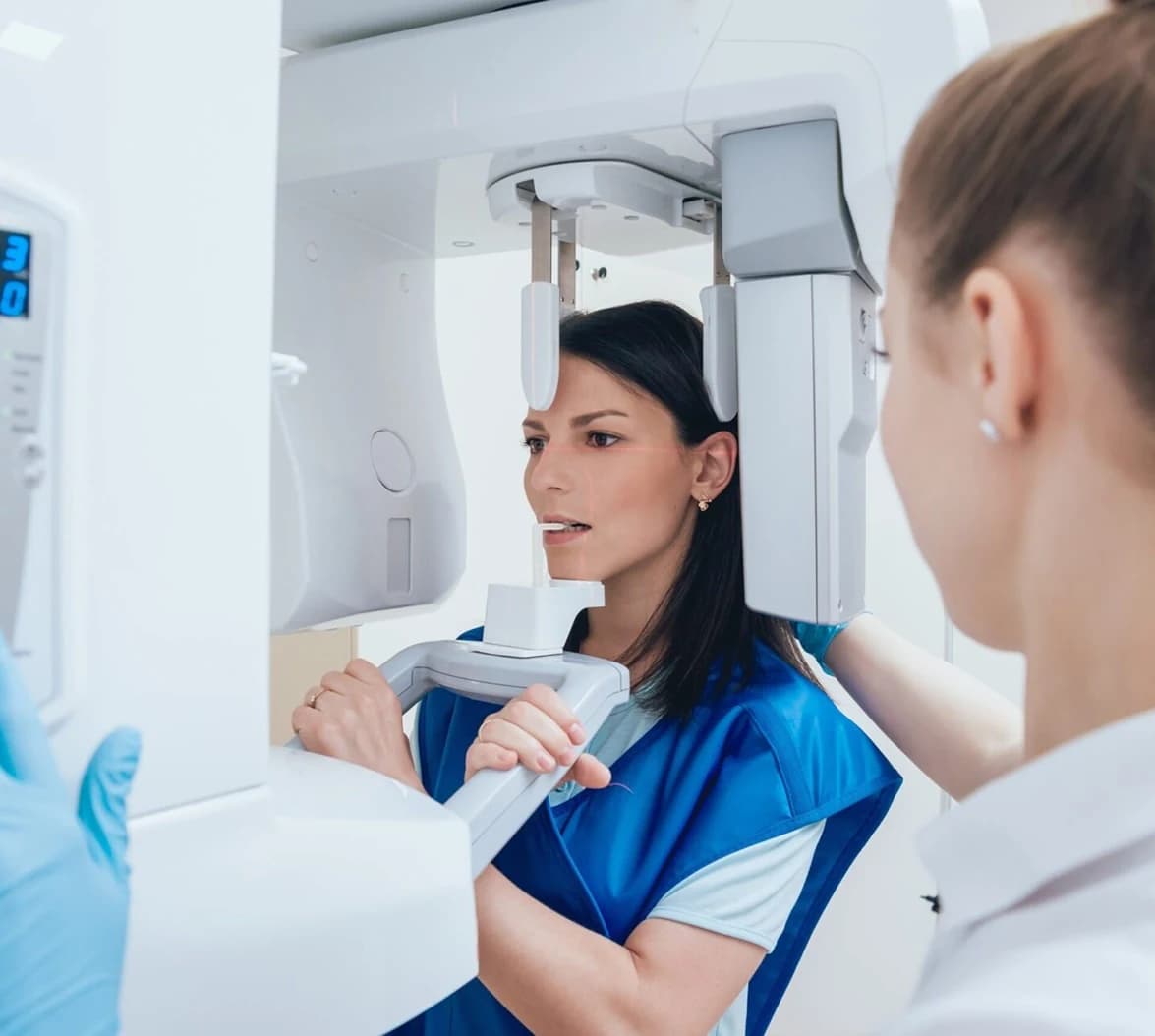
3D imaging and evaluation
We scan your jaw with cone-beam CT imaging right here in the office. It shows us the exact height, width, and density of your bone, so the plan is based on measurements, not guesses.
- Cone-beam CT in-office
- Exact bone measurements
Your questions, answered
Plain answers from our Peterborough team: no jargon, no pressure.
- New patients welcome
- Most insurance accepted
- CareCredit financing available
Most patients are surprised by how manageable it is. The area is fully numbed for the procedure, and afterward soreness is typically controlled with over-the-counter medication for a few days. We give you clear written instructions so you know exactly what to expect while you heal.
Still have questions?
Call and you'll reach a real person on our team: no phone tree, no hold music. We'd genuinely love to help.
(603) 924-3664Rather write to us? Contact us
Find out what your bone can support
Your implant consultation is free and includes 3D imaging. You will see your own scan, get straight answers about whether grafting is needed, and leave with a written plan.
- New patients welcome
- Most insurance accepted