

Wisdom Teeth, Handled the Honest Way
We evaluate your wisdom teeth here with 3D cone-beam imaging, remove straightforward teeth in-house, and coordinate complex impactions with trusted oral surgeons while managing your care from start to finish.
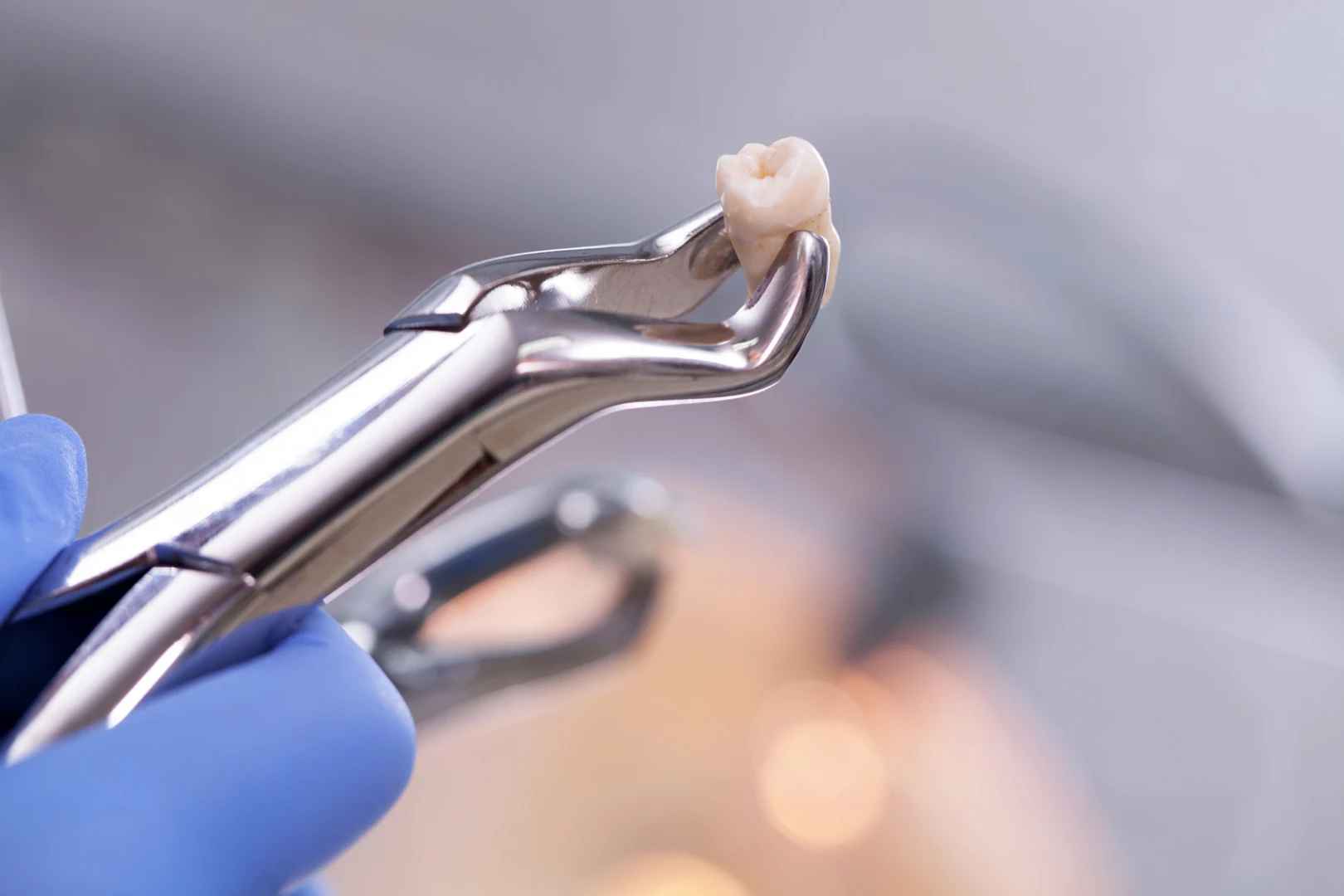
Do your wisdom teeth need to come out?
Not every wisdom tooth is a problem. These are the signs that yours deserve a look:
- Pain or pressure at the back of your jaw, especially when chewing
- Swollen, tender, or bleeding gums behind your last molars
- Food constantly trapping around a partially erupted tooth
- Repeated infections or a bad taste coming from the back of your mouth
- Crowding pressure or shifting you can feel in nearby teeth
- Jaw stiffness or difficulty opening comfortably
What to expect, step by step
- 1
Evaluate with 3D imaging
We examine the area and take a 3D cone-beam scan, so we can see exactly how each wisdom tooth sits relative to nerves, sinuses, and neighboring roots. No guessing.
- 2
An honest plan, in writing
If a tooth can stay, we tell you. If it should come out, we tell you whether it is a straightforward removal we handle here or a complex impaction better suited to an oral surgeon we trust.
- 3
Removal and recovery
Straightforward wisdom teeth are removed in-house with thorough numbing and comfort options. For complex cases we coordinate the referral, share your imaging, and manage your care before and after.
Calm, comfortable, and honest about it
Thorough numbing comes standard. On top of that, we offer two in-office options that keep you awake but relaxed. We do not offer IV sedation here, and we will never pretend otherwise; when a case truly needs it, that is part of why we partner with oral surgeons.
- Nitrous oxide (laughing gas): takes effect in minutes, wears off in minutes, and you can usually drive yourself home.
- Minimal oral sedation: a small prescribed pill taken before your visit for a deeper sense of calm. You stay awake and responsive, and you will need a ride home.
Healing well after an extraction
You leave with written aftercare instructions, and the same guidance lives on our website so you can check it at home: protecting the clot, managing swelling, what to eat, and when to call us.
Your questions, answered
Do all wisdom teeth need to be removed?
No. Wisdom teeth that come in fully, line up well, and stay cleanable can often be left alone and simply monitored at your regular checkups. We only recommend removal when a tooth is causing problems or is likely to, and we show you the imaging behind that recommendation.
Will you remove my wisdom teeth here, or refer me out?
It depends on the tooth. Straightforward, accessible wisdom teeth are removed right here in our office. Deeply impacted teeth or teeth near nerves are often better handled by an oral surgeon, and in those cases we coordinate with trusted specialists, send your 3D imaging ahead, and stay in charge of your overall care.
What are my options if I am nervous?
For treatment in our office we offer nitrous oxide (laughing gas) and, for appropriate patients, a minimal oral sedative prescribed ahead of your visit. Both keep you awake and responsive while taking the edge off. We are upfront that we do not provide IV sedation in-house; when a case calls for deeper sedation, that is one of the reasons we coordinate with an oral surgeon.
Still have questions?
Call and you'll reach a real person on our team: no phone tree, no hold music. We'd genuinely love to help.
(603) 924-3664Rather write to us? Contact us
Wondering about your wisdom teeth? Let's look
A 3D scan and an honest conversation. You will know exactly where you stand and what, if anything, needs to happen next.
- New patients welcome
- Most insurance accepted