

Catch Gum Disease Before It Costs You Teeth
Gum disease is treatable, and often fully reversible in its early stages. We stop it before it progresses and keep it controlled with a personalized maintenance plan. Most insurance plans cover periodontal treatment.
Gingivitis is fully reversible
With the right treatment
Personalized maintenance plan
More than a standard cleaning
Covered by most insurance
Benefits verified in advance
How can we help you?
Tell us what you are experiencing, and we will show you what is possible.
What Is Gum Disease?
Two stages, and only one of them is reversible
Periodontal disease is an infection of the gum tissue and bone that supports your teeth. It begins as gingivitis (red, puffy gums that bleed when you brush) and progresses to periodontitis, where the bone holding your teeth in place begins to break down. The damage from advanced gum disease is permanent. That is why treating it early matters.
Gum disease is caused by bacterial plaque, the sticky film that forms on teeth between brushing. When plaque is not fully removed, the bacteria trigger an inflammatory response in the gums. Over time, this breaks down the gum attachment and the bone beneath, creating deeper pockets where bacteria thrive and treatment becomes more involved.
The two stages of periodontal disease are gingivitis and periodontitis. Gingivitis is limited to the gum tissue and is fully reversible with a professional cleaning and improved home care. Periodontitis has progressed into the supporting bone and requires deeper treatment, though it can be stabilized and controlled.
Research has also linked untreated gum disease to systemic health conditions including heart disease, diabetes complications, and preterm birth. The bacteria in deep gum pockets can enter the bloodstream and affect other parts of the body, making periodontal treatment about more than just your mouth.
The two stages and what they mean for you
- Gingivitis: gum inflammation, fully reversible with treatment
- Stage I to II periodontitis: bone loss beginning, controlled with deep cleaning
- Stage III to IV periodontitis: significant bone loss, requires specialist input
- The earlier treatment begins, the better the outcome
The numbers
Of adults aged 30 and older have gum disease (CDC)
Gingivitis is fully reversible
Cause of adult tooth loss
If you have diabetes
Gum disease makes blood sugar harder to control
Warning Signs
Gum disease is often painless until it is advanced
Most people with early periodontal disease do not know they have it. These are the signs to watch for and the factors that raise your risk.
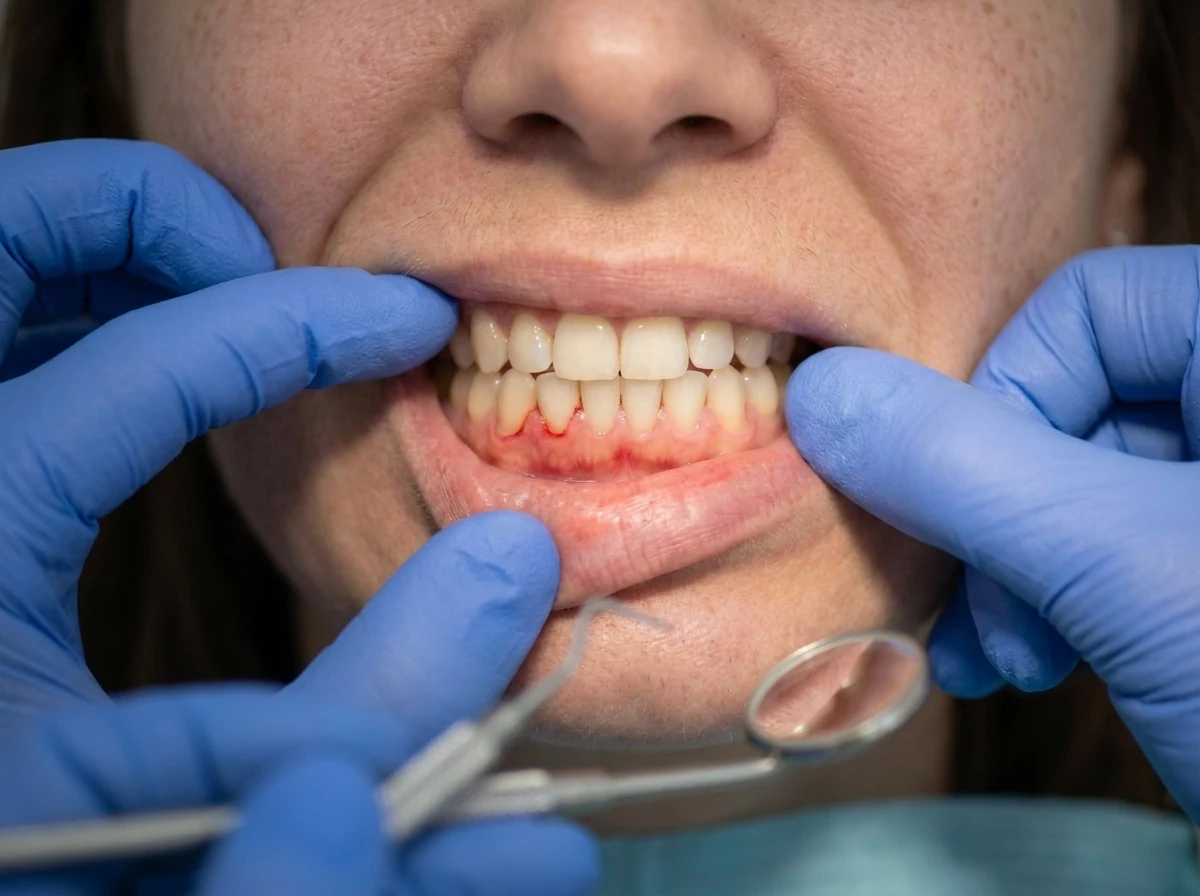
Signs you may have gum disease
- Gums that bleed when you brush or floss
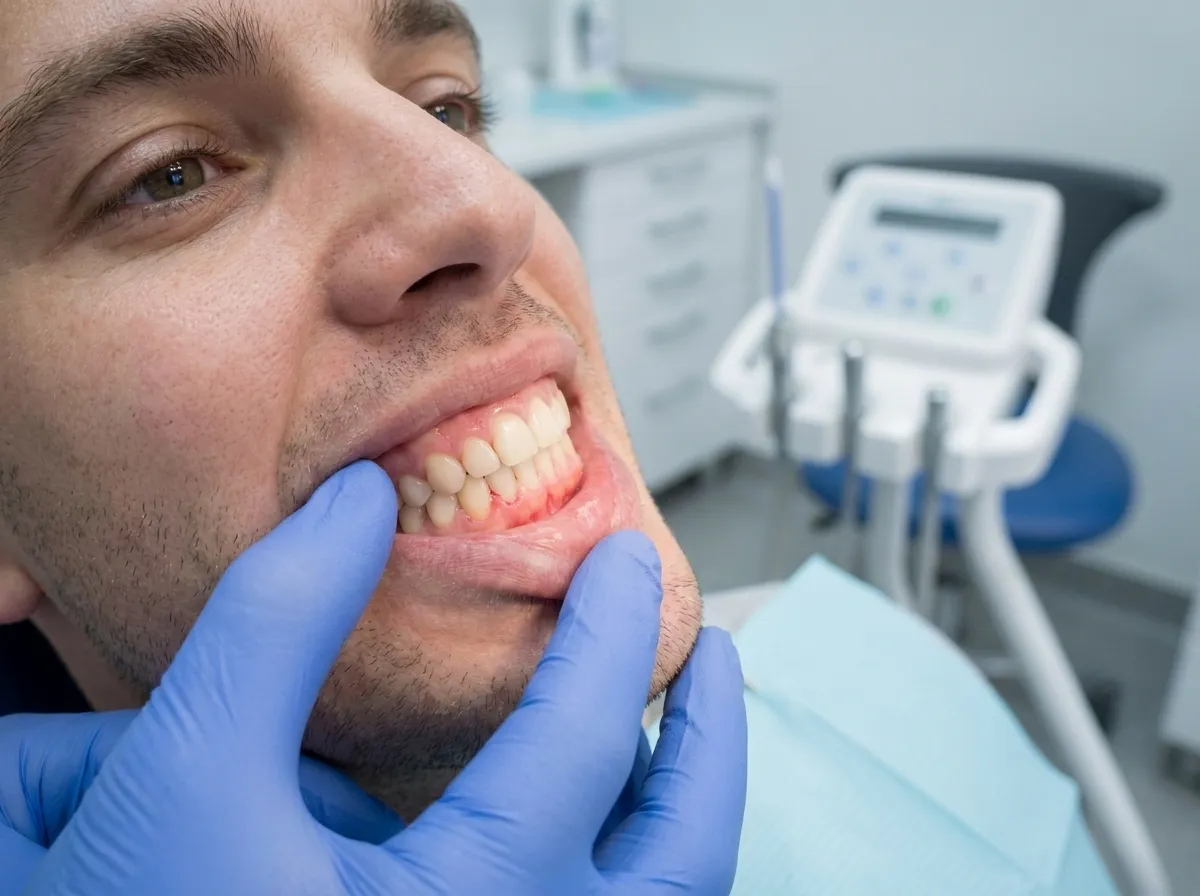
- Gums that look red, swollen, or feel tender
- Persistent bad breath that does not clear with brushing
- Gums that appear to be pulling away from the teeth
- Teeth that feel loose or have shifted position
- Sensitivity along the gumline, especially to cold
Factors that raise your risk
- Smoking significantly increases gum disease risk
- Poorly controlled diabetes makes gum disease harder to manage
- Certain medications reduce saliva flow, raising plaque risk
- Family history of gum disease increases your susceptibility
Not sure if you have gum disease? A periodontal exam at your free consultation measures pocket depths and bone health so we can tell you exactly where you stand.
Book your free consultationHow We Treat It
Three approaches matched to the stage of your disease
Treatment depends on how far the disease has progressed. We assess your pocket depths and bone levels at your exam and recommend the most appropriate option.
The primary treatment for active disease
Scaling and Root Planing
Scaling and root planing is a non-surgical deep cleaning that removes plaque and calculus from below the gumline and smooths the root surfaces to make it harder for bacteria to reattach. It is typically done in two or more appointments, one side of the mouth at a time, with local anesthetic for comfort.
- Removes calculus deep in the periodontal pockets
- Root surfaces smoothed to discourage reattachment
- Covered by most dental insurance plans
Keeping the disease under control
Periodontal Maintenance
After active gum disease is treated, standard six-month cleanings are not enough to prevent it from returning. Periodontal maintenance appointments every three to four months include pocket measurement updates, targeted cleaning of affected areas, and close monitoring for any sign of disease activity.
- Every 3 to 4 months after active treatment
- Monitors pocket depths and bone stability
- Usually covered as a periodontal benefit
For early-stage inflammation
Gingivitis Management
When gum disease is caught at the gingivitis stage, a thorough professional cleaning combined with improved home care is often all that is needed to fully reverse it. We walk you through the exact brushing and flossing technique that makes the difference and schedule a follow-up to confirm the gums have responded.
- Fully reversible at the gingivitis stage
- Professional cleaning plus home care guidance
- Follow-up appointment to confirm resolution
Why Treatment Matters
Six reasons not to delay gum disease treatment
Stops further bone loss
Bone lost to gum disease does not grow back. Treatment halts the destruction, giving you the best chance of keeping the teeth you have.
Reduces chronic bad breath
Bacteria in deep periodontal pockets produce sulfur compounds that no amount of brushing or mouthwash reaches. Treating the source clears bad breath that brushing cannot reach.
Reduces systemic health risk
Research links untreated gum disease to increased risk of heart disease and difficulty controlling blood sugar in diabetes. Treating your gums is genuinely good for your whole body.
Preserves implant and restoration longevity
Gum disease around a dental implant (peri-implantitis) can cause implant failure. Treating existing gum disease before placing implants or restorations protects the investment you make in your smile.
Reduces sensitivity and discomfort
Receded gums expose root surfaces that are sensitive to temperature and pressure. Treating gum disease arrests the recession, reducing sensitivity over time.
Covered by most dental insurance
Most insurance plans include scaling and root planing as a covered periodontal benefit, usually at a higher coverage rate than standard cleanings. We verify your benefits before every appointment.
The Process
From diagnosis to controlled, stable gum health
The treatment timeline depends on the severity of your gum disease. Here is a clear picture of what each phase involves.
Comprehensive Periodontal Exam
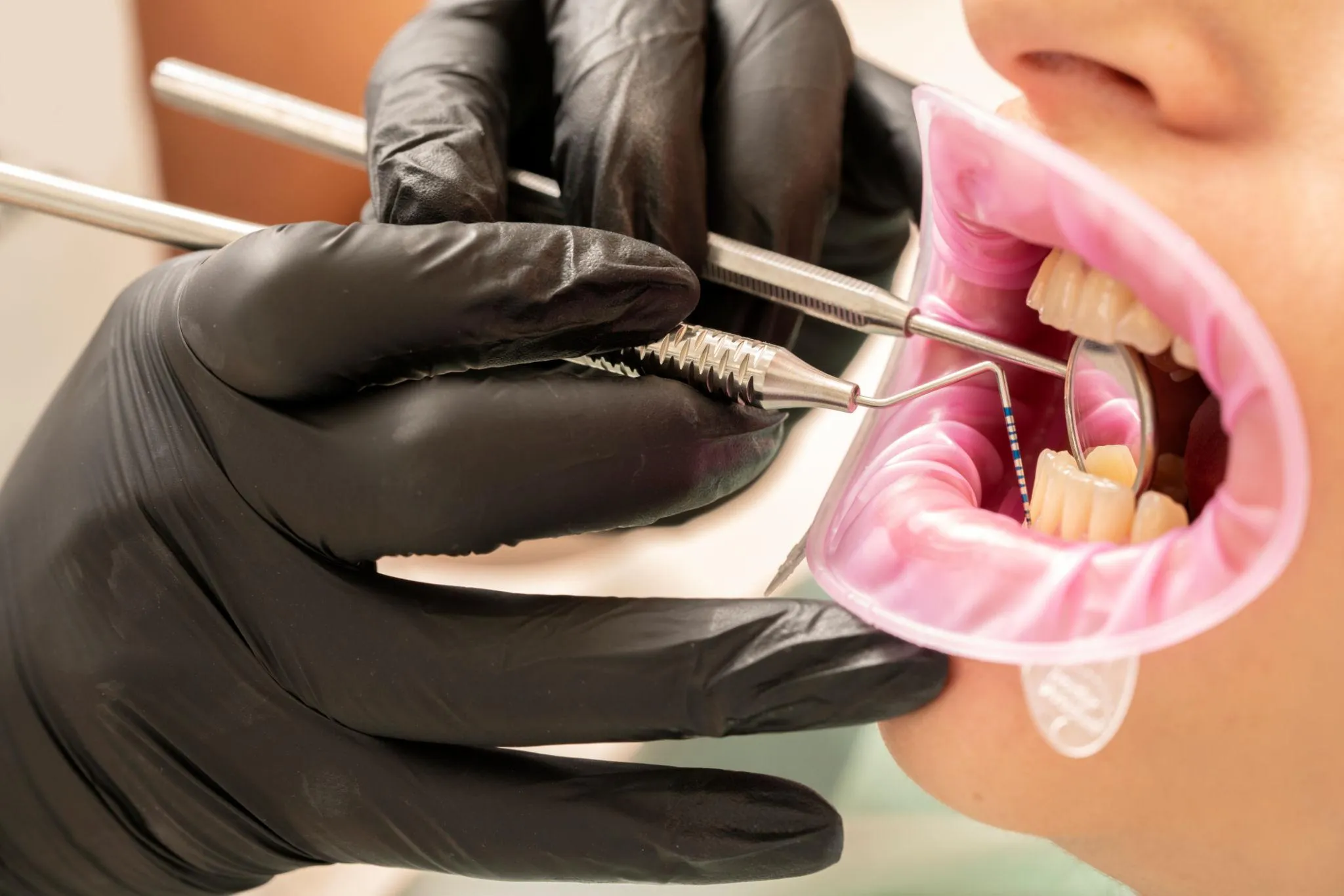
We measure the depth of the pockets around every tooth with a small probe. Pockets deeper than three millimeters indicate disease activity. Combined with X-rays showing bone levels, this assessment tells us the stage of your gum disease and the treatment you need. We explain everything we find and give you a written plan before we begin.
- 30 to 45 minutes
- Pocket depths measured
- X-rays reviewed
Cost & Insurance
Most dental plans cover periodontal treatment
Scaling and root planing is typically classified as a covered periodontal benefit, separate from your standard cleaning allowance. Periodontal maintenance visits are also usually covered, often at a higher rate than regular hygiene appointments. Coverage varies by plan, and we verify yours in writing before anything begins.
If you have no insurance or a remaining balance after coverage, flexible payment options are available. We go through the numbers at your free consultation so you can make an informed decision.
Your free consultation includes
Full periodontal exam, pocket depth measurements, insurance benefits verified, and a written treatment plan. No cost, no pressure.
- Scaling and root planing covered by most plans
- CareCredit financing available
- Written estimate before any treatment begins
We Verify Your Periodontal Benefits
Many plans separate periodontal benefits from standard preventive benefits. We check both ahead of your appointment and tell you in writing what treatment will cost before we begin.
We Handle All the Insurance Paperwork
We submit your claims and follow up with your carrier. You focus on your health and recovery. We handle the billing and any follow-up communications.
Flexible Financing for Any Balance
If your plan does not cover the full treatment, CareCredit and other flexible payment options let you spread the balance into manageable monthly payments.
Your questions, answered
Plain answers from our Peterborough team: no jargon, no pressure.
- New patients welcome
- Most insurance accepted
- CareCredit financing available
Gingivitis is the earliest stage of gum disease, affecting only the gum tissue. It is fully reversible with a professional cleaning and improved home care. Periodontitis has progressed into the bone supporting the teeth, causing permanent bone loss. Bone lost to periodontitis does not regrow, which is why catching and treating gum disease early matters so much.
Still have questions?
Call and you'll reach a real person on our team: no phone tree, no hold music. We'd genuinely love to help.
(603) 924-3664Rather write to us? Contact us
Gum Disease Consultation
If your gums bleed, feel sore, or you have been told you have deep pockets, come in for a full assessment. We will measure your pocket depths, review your X-rays, and tell you clearly what stage your gum disease is at and what it will take to control it. Free, no obligation, no pressure.
- New patients welcome
- Most insurance accepted