Foods That Damage Your Teeth (and What to Eat Instead)
Dr. Muhammad Rahim, DMDSeptember 2, 202610 min read
What you eat every day plays a bigger role in your dental health than many people realize. Understanding which foods that damage teeth show up most often in a typical diet is the first step toward protecting your smile.
Some of the biggest culprits aren't the obvious candy and soda everyone already suspects. They are everyday foods marketed as healthy, which is why most people are surprised by what actually makes the list.
This guide covers the foods worth watching and simple swaps that still taste good. Nutrition guidance is part of routine preventive dentistry care at Peterborough Family Dental & Implant Center in Peterborough, NH.
Curious How Your Diet Affects Your Teeth?
A routine cleaning is a great time to get personalized feedback on your specific habits.
The most common foods that damage teeth include sticky candy, sugary and carbonated drinks, citrus fruits, and starchy snacks like chips and crackers, since each contributes to enamel erosion or feeds the bacteria that cause cavities in different ways. Frequency of exposure matters as much as the food itself.
How Sugar Turns Into Enamel Damage
Sugar feeds the bacteria in plaque, which produce acid that attacks enamel every time you eat something sweet. According to the ADA, that acid attack continues for roughly 20 minutes after each exposure.
Why Acidic and Starchy Foods Count Too
Acidic foods and drinks such as citrus, soda, and wine soften enamel through their own acidity, independent of sugar content.
Starchy snacks break down into sugars in the mouth almost immediately. Their sticky texture means they cling to teeth longer than many people realize.
An exam and cleaning can help identify whether specific foods in your diet are already showing up as visible wear or early decay. Diet plays a significant role in both cavity formation and enamel erosion over time.
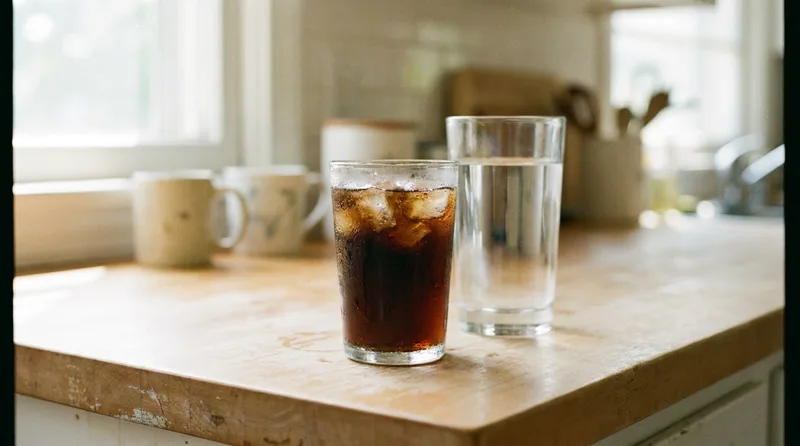
Why Are Sugary and Carbonated Drinks Such a Common Problem?
Sugary and carbonated drinks are a common problem because they combine sugar exposure with acidity, and people often sip them slowly over an extended period, which keeps teeth under near-continuous acid attack. This pattern is often worse than eating something sugary in one quick sitting.
diet and teethenamel erosionnutritionOral Health TipsPeterborough NH
Dentist · Peterborough Family Dental & Implant Center
Peterborough, NH dentist providing gentle general, cosmetic, restorative, and implant dentistry for the whole family.
Was this article helpful?
Frequently asked questions
Sticky candy, sugary and carbonated drinks, citrus fruits, dried fruit, and starchy snacks are among the most damaging, since each contributes to enamel erosion or feeds cavity-causing bacteria differently over time.
Sticky candies cling to tooth surfaces and get lodged in grooves, extending the time sugar stays in contact with enamel far longer than something that dissolves quickly during a normal meal.
Yes, dried fruit is sticky and concentrated in sugar, while citrus is highly acidic. Being nutritious doesn't make either food neutral for dental health despite their generally healthy reputation overall.
Cheese, plain yogurt, nuts, crunchy vegetables, and water are better choices, since they neutralize acid, provide calcium for enamel, or physically help clean teeth as you chew food naturally. Water is the best drink between meals.
Yes, each exposure to sugar or acid triggers roughly twenty minutes of acid attack on enamel, so frequent snacking causes more cumulative damage than the same amount eaten at once.
Yes, rinsing with water after eating something acidic or sugary helps dilute and clear away residual sugar and acid, giving saliva a head start on neutralizing the mouth naturally afterward.
Rinsing with water after eating helps dilute sugar and acid before it can affect enamel further.
Sipping sugary or carbonated drinks slowly keeps teeth under near-continuous acid exposure.
Soda contains both sugar and its own acidity. Diet versions, while lacking sugar, still carry significant acidity that can erode enamel over time regardless of the reduced calorie content.
Sports drinks and juice are often perceived as healthier alternatives, but they frequently contain comparable sugar content to soda, with citrus juices adding acidity on top of that.
Sipping any of these slowly throughout a workday or car ride extends the acid exposure far longer than drinking the same amount quickly with a meal.
Using a straw, when practical, and finishing a drink in one sitting rather than sipping for hours can meaningfully reduce the cumulative exposure over the course of a day.
Why Are Sticky and Chewy Candies Especially Bad for Teeth?
According to the CDC, more than 90% of adults have had a cavity at some point, and sticky sweets are a recurring contributor. Sticky and chewy candies are especially damaging because they cling to tooth surfaces and get lodged in grooves and between teeth. This extends the time sugar stays in contact with enamel far longer than something that dissolves quickly. This prolonged exposure gives bacteria more time to produce damaging acid, which is what actually wears down enamel over time.
Caramel, taffy, and gummy candies stick in grooves and between teeth
Dried fruit, often marketed as healthy, is just as sticky as candy
Sticky candies are harder to fully remove with brushing alone
Extended contact time means more prolonged acid exposure for enamel
If you enjoy sweets occasionally, choosing options that dissolve quickly rather than linger, like chocolate over caramel, reduces the length of acid exposure considerably.
Does Rinsing With Water After Eating Actually Help?
Yes, rinsing with water after eating or drinking something acidic or sugary helps dilute and clear away residual sugar and acid, giving saliva a head start on neutralizing the mouth before the next exposure. It's a simple habit with a real, measurable benefit.
Swishing water around your mouth for a few seconds after a sugary snack or acidic drink helps wash away lingering particles that would otherwise keep feeding bacteria or contacting enamel.
This is particularly useful when brushing right away isn't practical, like after lunch at work, a snack away from home, or a busy day with kids.
Why You Should Wait Before Brushing
Waiting about 30 minutes before brushing after something acidic is worth knowing. Brushing immediately can spread softened enamel rather than protect it during that vulnerable window.
This small habit takes just a few seconds and can meaningfully reduce the impact of foods you already know are tougher on your teeth, without changing your diet at all.
Are "Healthy" Foods Like Citrus and Dried Fruit Actually a Problem?
Yes, citrus fruits and dried fruit, despite their healthy reputation, can be surprisingly hard on teeth. Citrus is highly acidic, and dried fruit is both sticky and concentrated in sugar compared to its fresh counterpart. Being nutritious doesn't make a food neutral for dental health, which surprises many patients who assume otherwise.
Food
Why It's Hard on Teeth
Citrus fruits
High acidity softens enamel directly
Dried fruit
Sticky texture and concentrated sugar
Sparkling or flavored water
Carbonation adds mild acidity
None of this means avoiding these foods entirely, just being mindful of frequency and pairing them with water or a meal instead of eating them alone.
Erosion and decay add up over the years. According to the CDC, about 1 in 5 U.S. adults aged 20 to 64 has at least one untreated cavity, and everyday snacking habits are part of that picture.
Time for Your Next Cleaning?
Regular cleanings help catch early signs of enamel wear before they become bigger issues.
What About Kids' Snacks and School Lunches Specifically?
Kids' snacks and school lunches often include some of the biggest offenders, fruit snacks, juice boxes, and granola bars, all marketed toward children but frequently high in sugar or sticky enough to cling to teeth throughout the school day. Small swaps here can make a meaningful difference over the course of a full school year.
The Two Biggest Offenders in a Lunchbox
Fruit snacks, despite the name, are typically closer to candy than actual fruit. They combine sugar with a sticky texture that lingers on teeth for hours after lunch.
Juice boxes deliver concentrated sugar in liquid form. They are often sipped slowly through the day rather than finished quickly, which extends the exposure considerably.
Simple Swaps That Still Get Eaten
Cheese sticks, plain crackers, or fresh fruit paired with water reduce the cumulative exposure without requiring a complete overhaul of a child's diet. According to the AAPD, limiting how often children snack matters as much as what ends up in the lunchbox.
This matters early. According to the ADA, tooth decay is the most common chronic disease in children, and it's five times more common than asthma. If a cavity does show up, our guide to cavities in baby teeth explains why those teeth are still worth treating.
Packing a reusable water bottle alongside lunch gives kids an easy way to rinse their mouth between snacks throughout the school day, without requiring a special reminder each time.
What Should You Eat Instead to Protect Your Teeth?
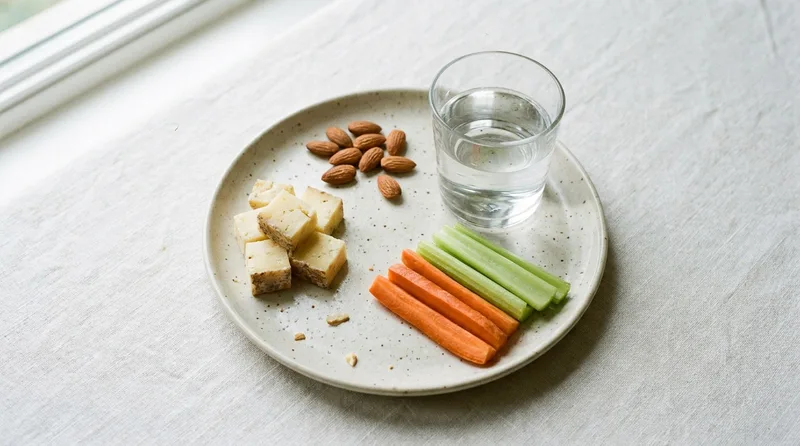
Cheese, plain yogurt, nuts, crunchy vegetables, and water are all better choices for tooth-friendly snacking. They either neutralize acid, provide calcium for enamel, or physically help clean teeth as you chew. These swaps still satisfy cravings without the same downsides.
Cheese, nuts, crunchy vegetables and water help neutralize acid instead of feeding it.
Swap sticky candy for a piece of cheese or a handful of nuts.
Choose fresh fruit over dried fruit when possible.
Drink plain water instead of soda or flavored sparkling water.
Pair acidic foods with a meal rather than eating them alone.
Finish a snack or meal with a glass of water to rinse the mouth.
Why Cheese and Water Do the Most Work
Cheese helps neutralize acid and stimulates saliva production, both of which support enamel rather than working against it. That makes it one of the more dentist-friendly snack choices available.
Water does the other half of the job. It has no sugar and no acidity, and it physically rinses away what a snack leaves behind. Keeping a bottle within reach through the day is the single easiest change most patients can make.
Crunchy vegetables such as carrots and celery work in a similar way. Chewing them increases saliva flow and their texture helps scrub food particles off tooth surfaces as you eat.
Does When You Eat Matter as Much as What You Eat?
Yes, timing and frequency matter significantly. Each exposure to sugar or acid triggers roughly 20 minutes of acid attack on enamel, meaning frequent snacking throughout the day causes more cumulative damage than the same total amount eaten in one sitting.
Grazing on sugary or acidic snacks throughout the day keeps teeth under near-constant acid exposure. Eating the same foods as part of a meal, followed by water, gives teeth more recovery time between exposures instead. Saliva naturally helps neutralize acid and remineralize enamel, but it needs time between exposures to do this effectively. This is part of why dentists often recommend eating sweets with a meal rather than as a standalone snack between meals.
Simply shifting when you eat certain foods, without necessarily eating less of them, can meaningfully reduce the cumulative impact on your teeth.
Frequency is the part most people underestimate. Each sugary snack starts a new acid attack, so five small snacks spread through the day keep teeth under attack far longer than one dessert with dinner.
When Should Diet-Related Dental Damage Prompt a Visit?
Diet-related dental issues are worth a dental visit if you notice new sensitivity, visible enamel wear, or discoloration that seems connected to specific foods or drinks in your regular diet. These signs suggest cumulative damage worth addressing directly, rather than something to simply monitor on your own.
What the Numbers Say About Waiting
According to the ADA, regular dental visits catch roughly 80% of oral health issues before they become serious. A routine cleaning is also a good opportunity to get personalized feedback on how your diet is affecting your teeth.
According to CDC national survey data, roughly 42% of adults aged 30 and older have some form of periodontal disease, and diet is one of several contributing factors worth discussing at a checkup.
According to the NIDCR, frequent exposure to sugary and acidic foods is one of the primary risk factors for cavity formation.
Bringing a rough sense of your typical diet to a cleaning helps Dr. Rahim or Dr. Ainslie offer more specific, relevant guidance than general advice alone. Kids feel the effects early: according to the CDC, half of children aged 6 to 9 have had a cavity in their baby or permanent teeth. Frequent sugar and acid exposure remains one of the most significant, modifiable risk factors for tooth decay.
Foods that damage teeth are often hiding in plain sight, from sticky candy to citrus fruits to starchy snacks, but small swaps and paying attention to timing can meaningfully reduce their impact. Peterborough Family Dental & Implant Center can help assess how your specific diet is affecting your teeth and offer practical guidance tailored to your habits, whether you're dealing with kids' lunches, your own snacking patterns, or both.
Results may vary. Please consult with your dentist at Peterborough Family Dental for personalized treatment recommendations.
If you're curious how your specific eating habits might be affecting your teeth, bringing it up at your next cleaning is a simple way to get personalized feedback, without any judgment about your current diet.
Ready for Your Next Cleaning?
Request an appointment with Peterborough Family Dental & Implant Center and get personalized nutrition guidance.


 Dr. Muhammad Rahim, DMDSeptember 2, 202610 min read