
Back to all articlesoral-surgery Dr. Muhammad Rahim, DMDNovember 18, 202611 min read
Dry Socket: Signs, Timeline, and How to Prevent It
Dr. Muhammad Rahim, DMDNovember 18, 202611 min read
Loading blog post
Dr. Muhammad Rahim, DMDNovember 18, 202611 min readCall and you'll reach a real person on our team: no phone tree, no hold music. We'd genuinely love to help.
(603) 924-3664Rather write to us? Contact us
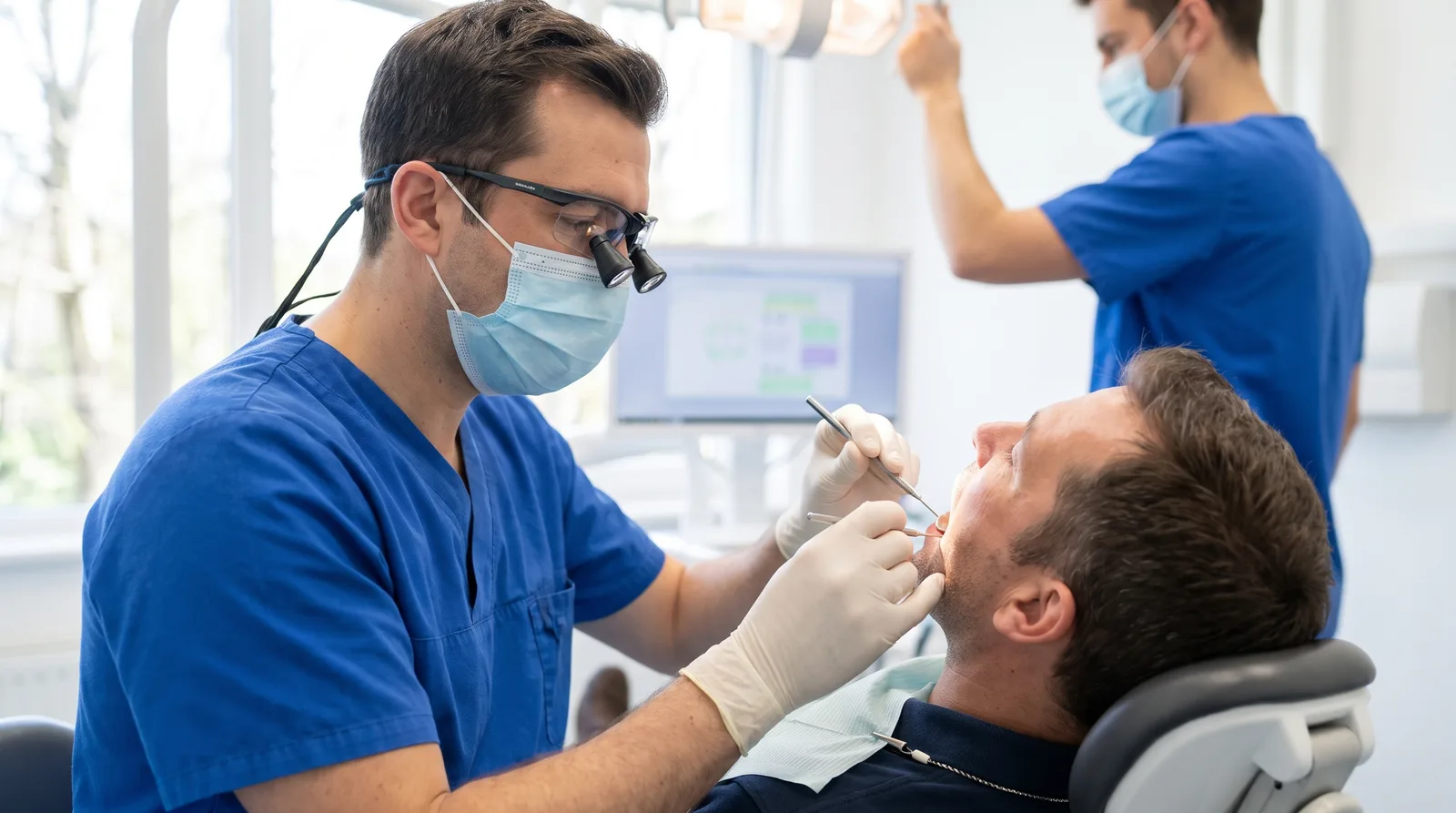
You had a tooth removed, the first day or two went fine, and now the ache seems to be getting worse instead of better. That change is the classic sign of dry socket, and it's worth knowing about before it happens. At Peterborough Family Dental & Implant Center in Peterborough, NH, we provide gentle extractions and oral surgery, and clear aftercare is part of every extraction.
This guide explains what dry socket is, how to recognize it, when it usually starts, how to lower your risk, and what treatment looks like.
Dry socket is a condition that sometimes happens after a tooth is removed, when the blood clot over the socket doesn't form, comes out, or dissolves before the wound has healed. That leaves bone and nerves exposed. Mayo Clinic's guide to dry socket calls it the most common complication after tooth removals, including wisdom teeth.
A blood clot normally forms at the site and acts as a protective layer over the bone and nerve endings. It also contains cells that are needed for healing. When the clot is lost, the exposed area becomes swollen and irritated, and it can fill with bits of food, which makes the discomfort worse.
The medical name is alveolar osteitis. Most extractions heal without it, and knowing what to watch for means you can act quickly if yours doesn't. It isn't a sign that you did something wrong. Its exact cause is still being studied, which is why knowing the signs matters more than assigning blame.
The main signs are a severe ache within a few days of the removal, loss of part or all of the blood clot, and bone you can see in the socket. Mayo Clinic also lists an ache that spreads to the ear, eye, temple, or neck, plus a bad taste or bad breath. Some discomfort is normal after any extraction.
| What you notice | Normal healing | Possible dry socket |
|---|---|---|
| Discomfort | Eases a little each day and responds to the medication your dentist recommends | Intense, gets worse, or starts days after the removal; over-the-counter medicine usually isn't enough |
| The socket | A blood clot forms over the site and protects the bone and nerve endings | Part or all of the clot is lost, the socket may look empty, and bone may be visible |
| Where you feel it | Mostly at the site, with some swelling that peaks around days two to three | Can spread from the socket to the ear, eye, temple, or neck on the same side |
| Taste and breath | Nothing unusual | A bad taste or a foul odor from the mouth may appear |
The key difference is direction. Normal soreness lessens with time. It gets worse. If you're not sure whether what you feel is normal, describe it to us by phone. A two-minute call can save days of worrying.
If you get dry socket, the ache usually begins 1 to 3 days after the tooth is removed. Normal healing follows a different path: swelling usually peaks around days two to three, and most sockets feel comfortable within three to seven days. Soreness that worsens after day three is a reason to call.

Mayo Clinic says a certain amount of discomfort is typical, but it should lessen with time. If you develop new discomfort or it gets worse in the days after your extraction, contact your dentist or oral surgeon right away.
The exact cause is still being studied, but Mayo Clinic notes that bacteria in the socket and injury at the surgical site may play a part, especially when removal is difficult, as with an impacted wisdom tooth. Certain factors raise the risk, and several are within your control.
Gum health matters here. The CDC reports that 42% of adults aged 30 and older have some form of periodontal disease, so a checkup before a planned extraction is worth it.
Knowing your own risk factors helps your dentist plan your care. Tell us if you smoke, take birth control pills, or have a current infection near the tooth. Our guide to when wisdom teeth should be removed explains why wisdom teeth are more likely to be difficult to remove.
Need a tooth evaluated?
Request an appointment at our Peterborough office. We look at every option to save a tooth first, then explain clearly if extraction is the right call.
Request an Appointment →Before an extraction, choose an experienced dentist or oral surgeon, keep your teeth and gums clean, avoid tobacco if you can, and tell your dentist about every medicine and supplement you take. Mayo Clinic lists these steps. Some medicines affect blood clotting, so the list matters.
None of these steps is complicated, and together they cover most of the factors you can control before the day of surgery. If you're scheduling a removal, ask what to avoid in the days before, since some supplements affect clotting. Your dentist may also take steps to help the socket heal, such as medicated dressings, antibacterial mouthwashes or gels, antiseptic solutions, or antibiotics, which Mayo Clinic says are usually only for people with a weakened immune system.
After surgery, rest, protect the clot, keep the area clean, and follow your written instructions exactly. Mayo Clinic suggests avoiding straws, tobacco, hot or carbonated drinks, and vigorous activity, eating soft foods, and rinsing gently with warm salt water after the first 24 hours. Your printed post-op sheet always takes priority.
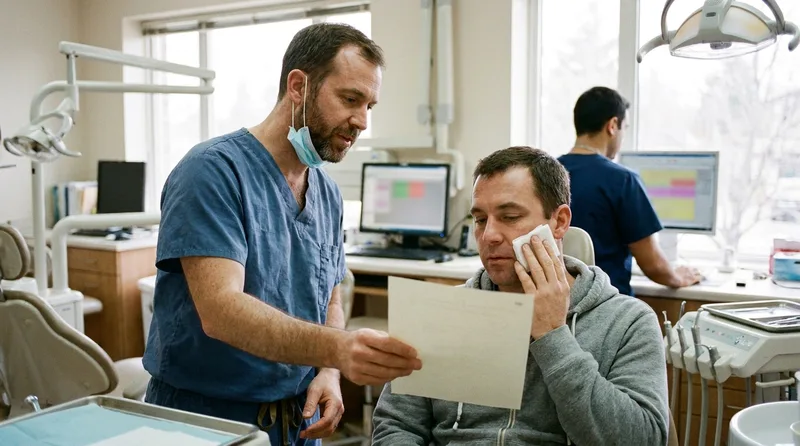
Timing varies from dentist to dentist, so follow the sheet you were given. Our guide to tooth extraction aftercare and post-operative instructions page cover the same steps, and we're one call away if you're unsure about something.
Your dentist cleans the site and places a medicated dressing, which usually brings quick relief. The ADA's guide to dry socket lists the same treatment, and notes the dressing may be changed daily until the discomfort eases and the socket begins to heal. Over-the-counter medicine usually isn't enough on its own.
Don't wait to see whether it improves on its own. Mayo Clinic says to contact your dentist or oral surgeon right away if the ache worsens in the days after removal, and the ADA says to notify your dentist if it happens. Mayo Clinic says it rarely causes infection or serious complications, but healing can be delayed and it can lead to an infection in the socket. Treating it early keeps it simple.
Call right away if the ache gets worse instead of better, if you can see bone or an empty socket, or if you notice a bad taste or odor. Also call for fever, pus, bleeding that doesn't slow with firm gauze pressure, or swelling that keeps growing. Go to the ER first for swelling that affects breathing or swallowing.
Keep a short note of when your extraction was done and when the ache changed. Those details help us decide quickly what you need. We would always rather hear from you than have you worry at home. Call (603) 924-3664, and we'll tell you honestly how soon we can see you and what to do until then.
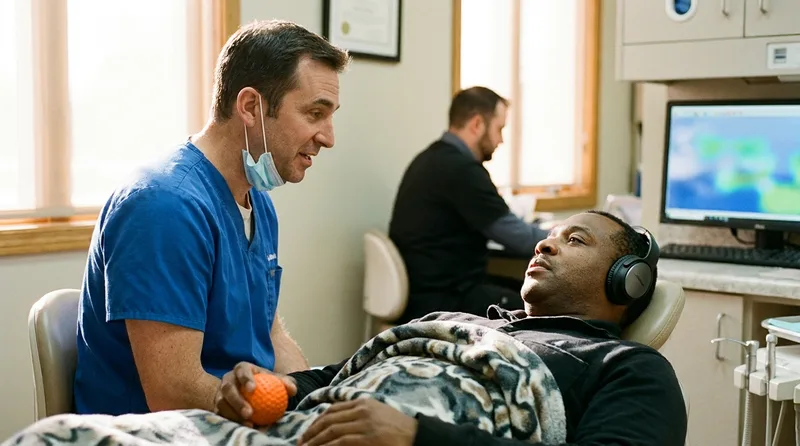
We handle extractions gently and only when a tooth can't be saved, and we build comfort into the visit: gentle numbing, warm blankets, headphones, breaks whenever you need them, and nitrous oxide or oral sedation if you'd like. We don't provide general anesthesia or IV sedation, so you stay awake and responsive either way.
BMC Oral Health (2024) reports that 36% of Americans have dental anxiety and 12% have extreme dental fear, and the Journal of Dental Anesthesia reports that sedation dentistry has helped 75% of fearful patients keep up with regular visits. Our tooth extractions service page explains the process, and our comfort and sedation page has the details. Many people find that knowing exactly what will happen, and what each step feels like, is what helps most, so ask us anything before your visit.
For more ways to feel at ease, see our tips for nervous dental patients. If it's been years since your last visit, our guide for patients who haven't been to the dentist in years explains what to expect.
Nervous about an extraction?
Send us a note or call, and we'll talk through how to keep you comfortable.
Contact Our Office →Once healing is complete, talk to your dentist about replacing the tooth. Most extracted teeth other than wisdom teeth should be replaced to prevent shifting and bone loss. The American College of Prosthodontists estimates that 120 million Americans are missing at least one tooth, and the options are well established.
The Journal of Oral and Maxillofacial Surgery reports implant success rates of 95-98% over 10 years. Our comparison of an implant and a bridge, guide to crown vs implant, and comparison of a partial denture and a bridge explain how the options compare, and our dental implants service pages cover each type.
Regular visits help you catch problems early. The Journal of Dental Research reports that people who see a dentist regularly are 60% less likely to lose teeth, and the ADA notes that regular visits can catch 80% of oral health issues before they become serious. Our guide on how often to see the dentist explains how often to come in.
We welcome patients from Peterborough, Jaffrey, Dublin, Hancock, and across the Monadnock region, with early-morning hours from 7 AM Monday through Thursday. Bring your questions to Dr. Muhammad Rahim, Dr. Jasper Ainslie, or Dr. Nabeel Almaaz.
Results may vary. Please consult with your dentist at Peterborough Family Dental for personalized treatment recommendations.
Questions about your extraction?
Request an appointment at Peterborough Family Dental & Implant Center and we'll walk you through every step.
Request an Appointment →Not sure what you're feeling is normal?
Call (603) 924-3664 →
Dr. Muhammad Rahim, DMD
Dentist · Peterborough Family Dental & Implant Center
Peterborough, NH dentist providing gentle general, cosmetic, restorative, and implant dentistry for the whole family.
Was this article helpful?
Dry socket is a condition that sometimes happens after a tooth is removed, when the blood clot over the socket doesn't form, comes out, or dissolves too soon. That leaves bone and nerves exposed. The ADA and Mayo Clinic both advise contacting your dentist if it happens.
Our Peterborough team is happy to answer questions and get you on the calendar.